What Drives Acrylic Sheet Costs?
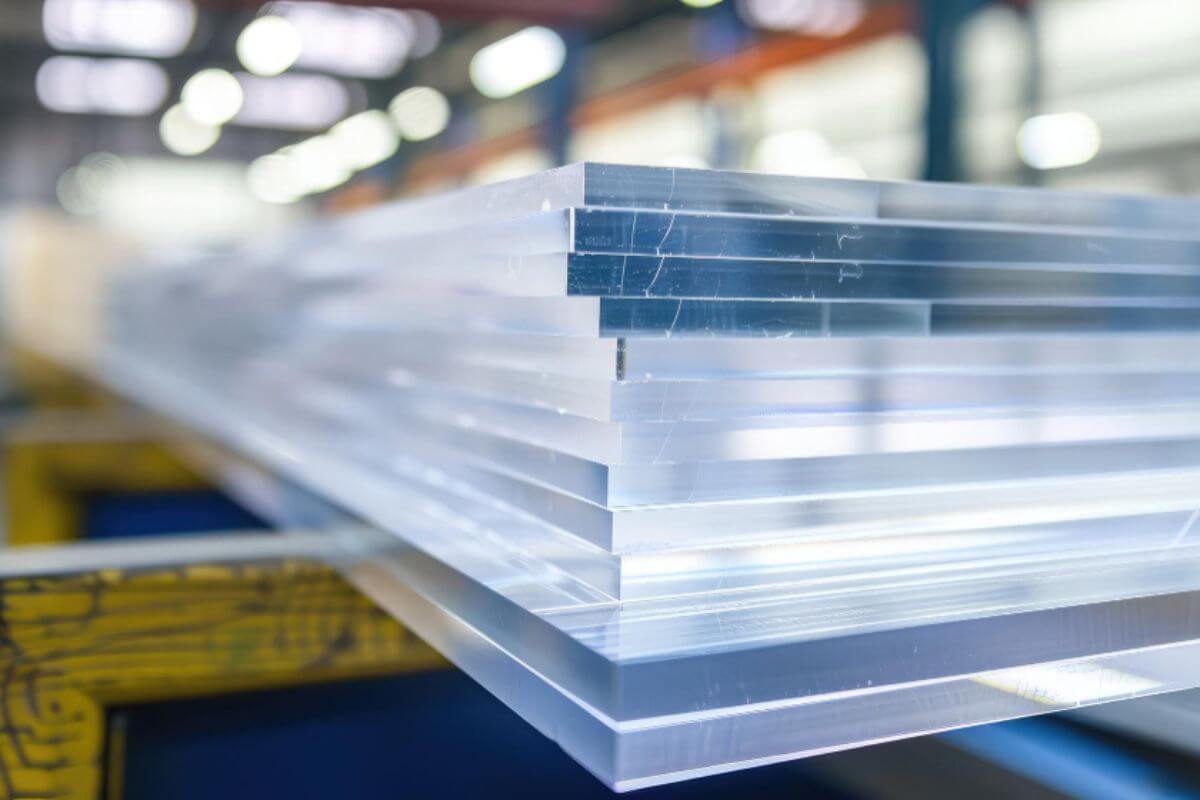
What drives acrylic sheet costs?
- Production method
- Thickness and size
- Material quality
- Customization and finishes
- Surface treatment
Overview
- Acrylic sheets are widely used in construction for their durability and visual appeal, but their prices vary widely depending on several critical factors.
- Proper planning around material quality, production methods, and finishing options allows teams to balance performance with budget.
- For professionals seeking reliable solutions, KENMOS provides high-quality acrylic sheets that meet strict standards. Their expertise ensures projects get the right materials efficiently, with cost-effectiveness and consistency built in.
Acrylic sheets are a staple alternative to glass in construction, but their costs can vary more than most procurement teams might expect. Hidden factors in production and finishing often determine the final price of each sheet. Without clear insight into the elements that raise their final price, teams risk overspending or misallocating resources. That’s why professionals must understand what exactly drives acrylic sheet costs.
As a top acrylic sheet supplier in the Philippines, KENMOS understands the complexities behind these pricing factors. We provide expert guidance to help you select the right materials for your project. Continue reading to break down the key drivers behind pricing and plan your projects with confidence.
Production Method
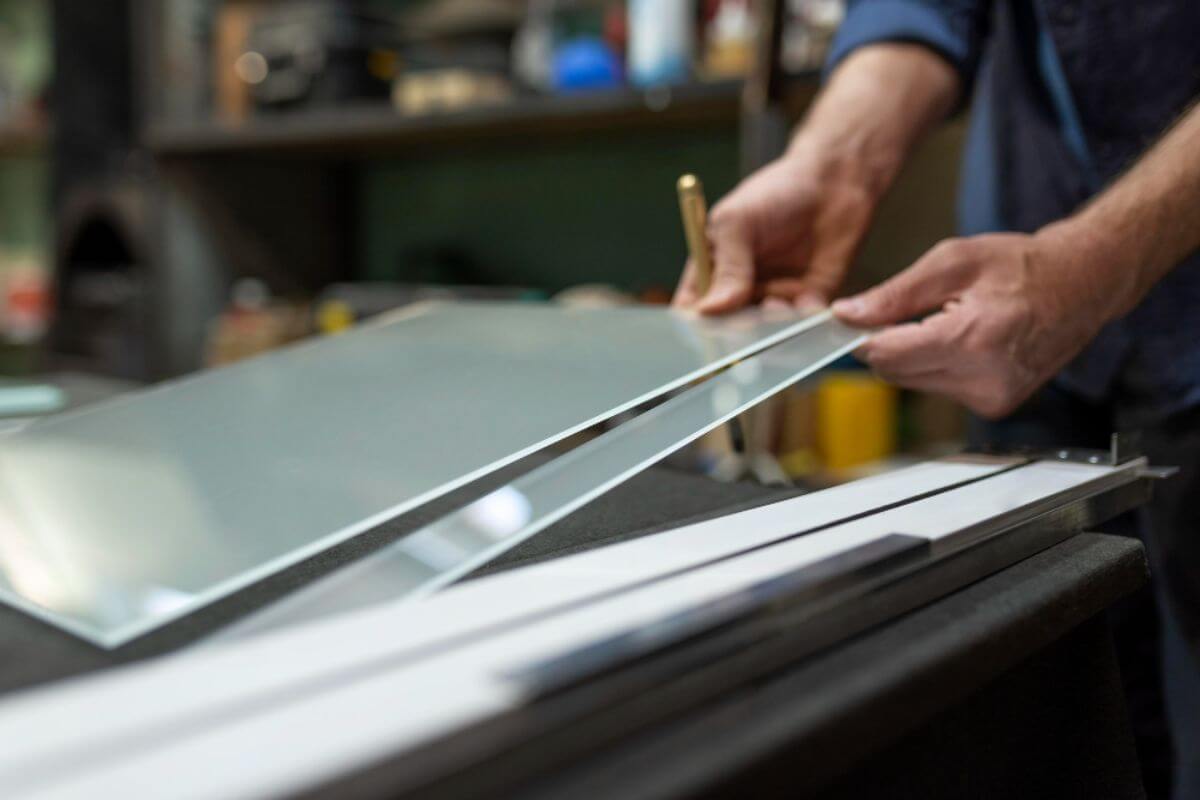
One of the key cost drivers of acrylic sheets is the manufacturing process. Production methods determine resource usage and overall cost, with each approach involving different considerations. For example, cell casting requires precise temperature control, is energy-intensive, and generates more material waste due to production imperfections that reduce usable yield.
Extrusion produces acrylic sheets continuously with faster output and less waste, but with less precision, leading to possible variations in clarity and thickness. This often requires additional quality checks, increasing overall cost.
Each manufacturing method involves trade-offs among quality, efficiency, and price, helping teams choose options that align with budget and project requirements.
Thickness and Size
The cost of acrylic sheets is largely driven by thickness and size. Larger and thicker sheets require more raw materials and energy during production, increasing overall cost.
Non-standard dimensions also add expense due to extra cutting, trimming, and finishing. These processes require skilled labor and can lead to material waste or off-spec outputs, further raising production costs.
Specifying solutions that closely match your project’s requirements helps control these costs. Before purchasing, confirm your project’s dimensions and usage needs to prevent unnecessary material waste throughout production.
Material Quality
The quality of the resin used in acrylic sheets directly affects their price, as higher-grade materials require stricter production controls. Higher-grade PMMA uses purer monomer and tighter manufacturing tolerances to achieve consistent clarity. These measures increase costs because purer monomer requires extra refining. It also produces lower yields, which raises the overall price of the raw material.
Often, unnecessary expenses arise from incorrect material selection. When the material fails to meet the project’s performance requirements, it can lead to premature replacement or additional processing costs. Matching material quality to the project’s needs ensures teams avoid paying for specifications they do not require.
Customization and Finishes
Customizing acrylic sheets can increase production effort and, in turn, the final price. Achieving specific tints or protective coatings requires careful control during manufacturing to ensure consistency, and minor adjustments demand extra attention to prevent imperfections. These processes naturally require more labor and quality checks, which are reflected in the cost of the finished sheet.
When teams clearly align customizations with project requirements, the sheets can achieve the desired performance without wasted material. Thoughtful planning ensures that projects benefit from tailored sheets while keeping overall expenses under control.
Surface Treatment
Applying surface treatments to acrylic sheets enhances their overall durability and visual appeal, but it also adds complexity to production. Coatings require precise application and additional curing time to ensure consistent performance across the sheet. Each step demands careful monitoring and quality inspections, all of which are factored into the final price.
Even small variations in surface application can result in defects or off-spec sheets, which may require rework or material replacement. Careful selection of surface treatments ensures sheets perform as needed without adding unnecessary expenses.
Get Affordable Acrylic Sheets From KENMOS
As a top acrylic sheet supplier in the Philippines, KENMOS provides cost-effective solutions that meet diverse project requirements. We offer a wide range of acrylic sheets designed to serve both aesthetic and functional needs. With intricate customization options and consistent quality, we give teams confidence in every order.
We are committed to delivering reliable acrylic sheets nationwide, backed by comprehensive customer support to provide clients with peace of mind. Each sheet meets strict quality standards to ensure both performance and safety.
With us, you gain access to high-quality sheets that perform reliably in demanding construction applications, all at a competitive price.
Key Takeaway
Understanding what drives acrylic sheet costs empowers construction teams to plan effectively and avoid unexpected expenses. By considering several essential factors in production and material selection, teams can make informed choices that balance component performance with budget.
Ready to secure reliable acrylic sheets? KENMOS has the expertise and product range to support your project’s completion. Get a quote today to ensure your next build stays within budget.