Alternatives to Glass in Construction Projects
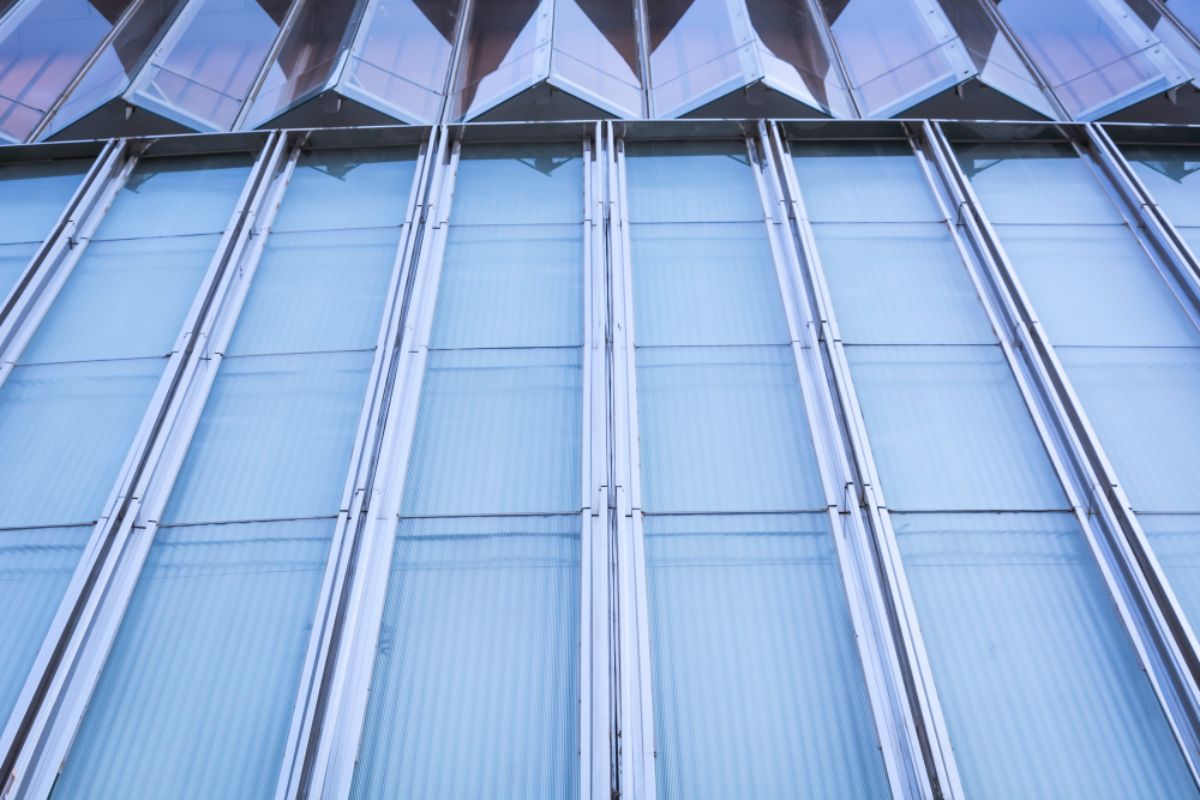
What alternatives to glass can you use in construction projects?
- Polycarbonate sheets
- Acrylic or plexiglass
- Ethylene Tetrafluoroethylene
- Translucent architectural fabrics
- Transparent ceramics
Overview
- Modern construction increasingly relies on transparent materials that balance safety and aesthetic appeal. While traditional glass remains common, several alternatives offer unique benefits for different applications.
- Among available options, polycarbonate sheets stand out for their high strength, lightweight handling, and weather resilience. KENMOS delivers high-quality polycarbonate solutions engineered for reliable, long-lasting performance across diverse construction needs.
Transparent fixtures have become a defining feature in many modern building projects. While glass is often the default material choice, it comes with higher breakage risks and long-term maintenance concerns. That’s why contractors must explore alternatives to glass in construction projects to ensure they deliver both durability and visual appeal.
As one of the top polycarbonate sheet suppliers in the Philippines, KENMOS provides dependable solutions that offer safer, practical support on-site. Read on to understand where each alternative delivers the most value for lasting construction.
Polycarbonate Sheets
Known for their exceptional strength, polycarbonate sheets are one of the most reliable replacements for glass in high-impact building environments. This material is known to have an exceptionally high mechanical strength, reaching up to 65 MPa. What makes it especially safe for use is that it weighs nearly half as much as regular glass does. Contractors frequently use it for skylights and roofing panels due to its safe handling.
Aside from impact resistance, polycarbonate supports faster construction workflows. The sheets can be cold-formed on-site into curved shapes without specialized heating equipment. Products like KENMOS’ polycarbonate sheets are also engineered to handle unpredictable weather and high heat exposure, allowing installation to proceed with minimal delays.
Acrylic or Plexiglass
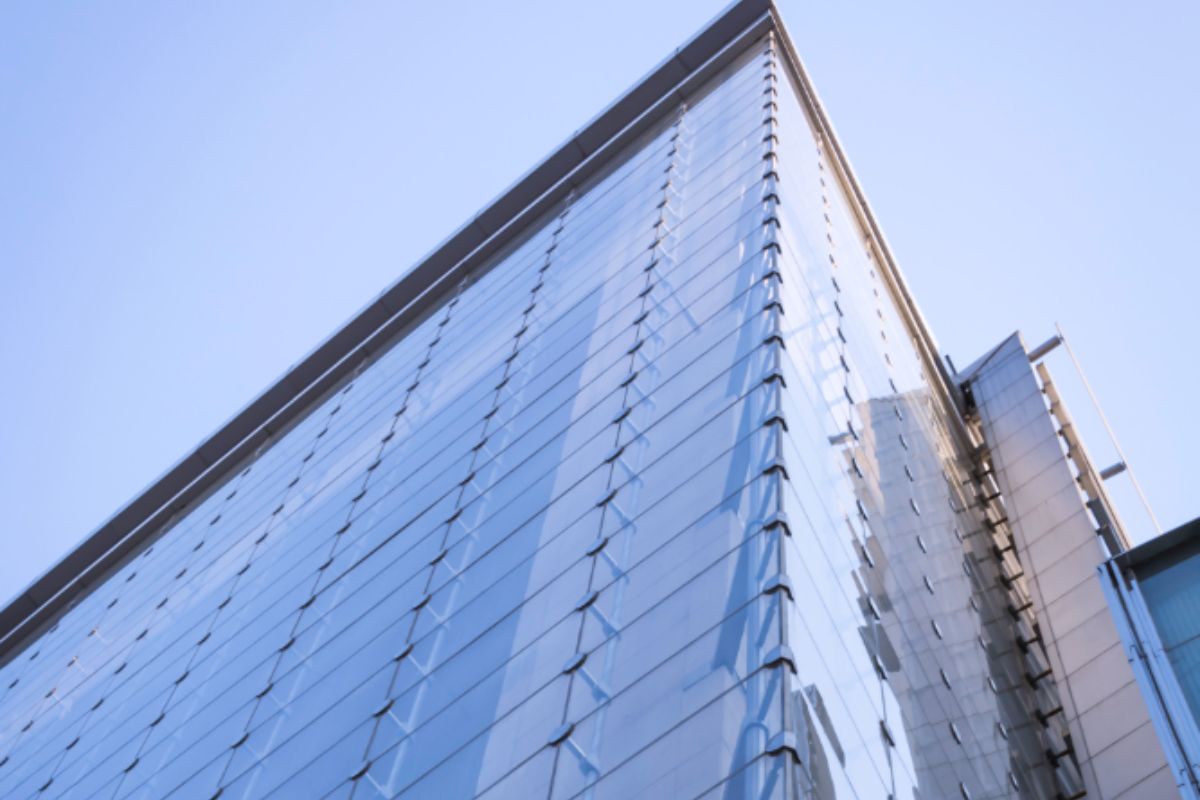
In visuals-centric applications, acrylic serves as a better overall substitute. They offer around 92% light transmission while also being 50% thinner than glass. Since they hold minimal shatter risks during installation and use, contractors specify acrylic for backsplash and interior partitions in commercial and residential builds.
On active job sites, its easy fabrication qualities also become a major advantage. Unlike glass, acrylic can be cut, drilled, and thermoformed into custom shapes. Acrylic sheets like those by KENMOS provide this level of adaptability, helping maintain schedules while delivering professional finishes across different applications.
Ethylene Tetrafluoroethylene
Ethylene Tetrafluoroethylene (ETFE) is a high-performance polymer film used for large-span roofing and facade systems. Its extreme lightness and high transparency make it suitable for stadiums, atriums, and greenhouse structures where minimal load is critical. Compared to glass, it requires fewer framing requirements to achieve expansive coverage.
However, it’s important to note that ETFE systems require upper-level installation expertise and tensioning systems. Material costs and limited supplier availability can also restrict its use on conventional construction projects. For this reason, it is typically reserved for highly specialized builds rather than commercial developments.
Translucent Architectural Fabrics
Translucent architectural fabrics provide an alternative approach to achieving bright spaces without rigid glazing. These materials diffuse daylight evenly while offering flexibility for curved facades and tensile structures at a much cheaper cost than glass. These are often used in event spaces and large exterior canopies thanks to the naturally elegant aesthetics they offer.
Their lightweight nature makes them easier to arrange into specific forms and shapes, speeding up installation in large-scale projects. Fabrics can also improve acoustic performance by absorbing sounds, which is beneficial in crowded settings like open-air concert halls. While not intended for full enclosure, they offer functional value and light control just as effectively as glass.
Transparent Ceramics
Lastly, transparent ceramics rise as a new category of glass substitutes for extreme-performance applications. They can withstand intense heat and pressure far beyond conventional glazing. Though relatively new, they are increasingly explored as a viable material for industrial, defense, and high-security construction requirements.
Due to complex manufacturing processes, transparent ceramics are not yet widely adopted in mainstream projects. Their use remains focused on specialized installations where glass cannot provide the necessary performance in mechanical strength or thermal stability.
To summarize:
| Material | Key Strengths | Typical Applications |
| Polycarbonate Sheets | Very high impact resistance, lightweight, versatile | Skylights, roofing panels, protective glazing |
| Acrylic or Plexiglass | High light transmission, thin profile, easy fabrication | Interior partitions, backsplashes, decorative panels |
| ETFE | Extremely lightweight and low framing requirement | Stadium roofs, atriums, greenhouses |
| Translucent Fabrics | Flexible, fast installation perks, high transparency | Canopies, event spaces |
| Transparent Ceramics | Exceptional heat and pressure resistance, highly durable | Industrial, defense, and high-security installations |
Build Strong Transparent Structures with KENMOS Polycarbonate Sheets
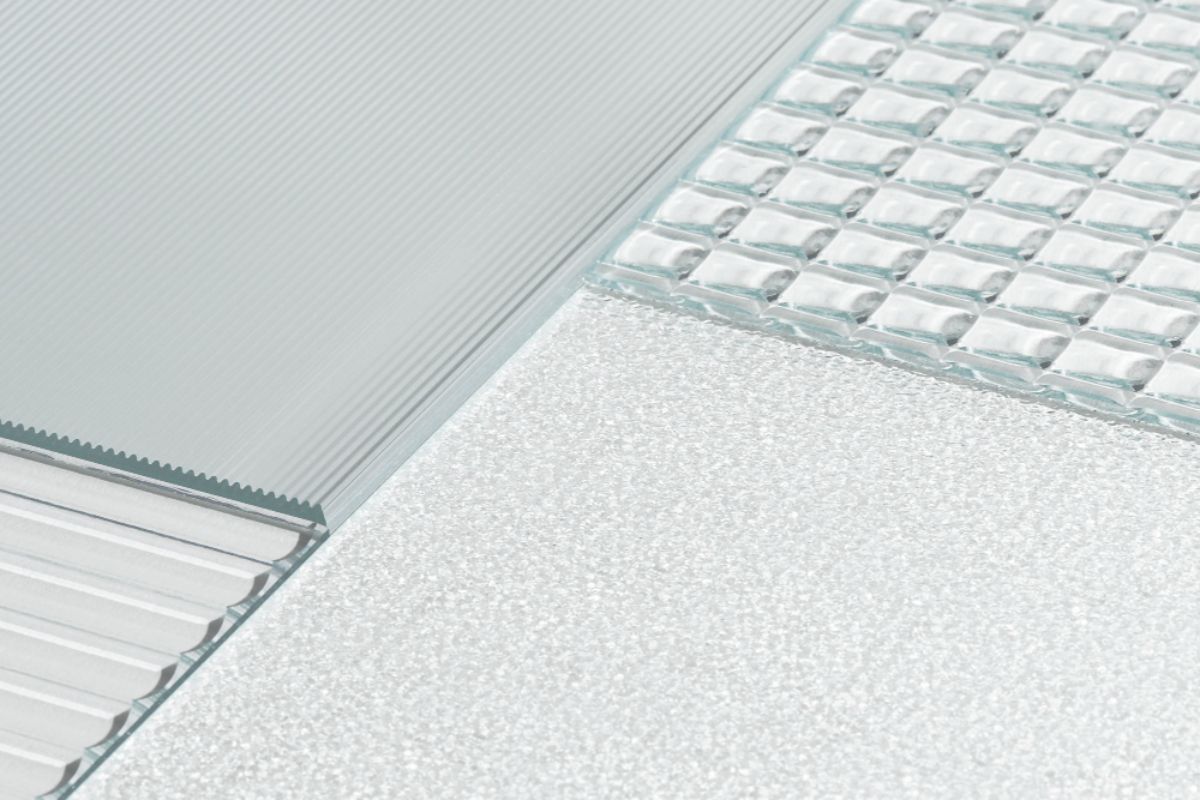
If you’re seeing a high-strength replacement for standard glass, KENMOS offers premium polycarbonate sheets engineered for long-term performance. Our selection includes solid polycarbonate and embossed polycarbonate, both of which are designed to combine strength with visual appeal. Each sheet ensures consistent quality for demanding applications, all at an affordable price.
KENMOS polycarbonate sheets support safer installations and deliver outstanding impact resistance and weatherproofing for outdoor environments. Together, these qualities help your team minimize maintenance concerns and control long-term costs throughout the years to come.
Key Takeaway
Exploring the best alternatives to glass in construction projects allows contractors to improve safety and overall build efficiency on-site. With a strong understanding of how each material performs, builders can make informed decisions that support the project’s long-term success.
Strength, consistency, and high adaptability—find all these qualities in KENMOS Polycarbonate Sheets. Contact us today to source top-grade glass substitutes that deliver strength and visual consistency in every build.