Factors Affecting Material Performance in Exterior Builds

Overview
- This guide explores the critical factors affecting material performance in outdoor installations, helping contractors make informed choices for long-lasting structures. It examines material properties and highlights how environmental conditions influence durability.
- Installation quality and maintenance routines also matter in maintaining structures’ performance capabilities in various environmental settings.
- By understanding these factors, construction teams can select materials that withstand outdoor conditions while optimizing component longevity and operational practicality.
Exterior projects demand materials that can perform reliably under real-world conditions. Constant sun exposure, heavy rainfall, and temperature fluctuations all place pressure on building components, making material selection a critical part of early planning.
Understanding the factors affecting material performance in exteriors helps construction professionals evaluate options such as aluminium composite panels and other exterior-grade materials more effectively. By recognizing how environmental exposure, application type, and installation conditions influence long-term durability, contractors can make informed choices that support structural integrity and project longevity in outdoor builds.
Material Properties
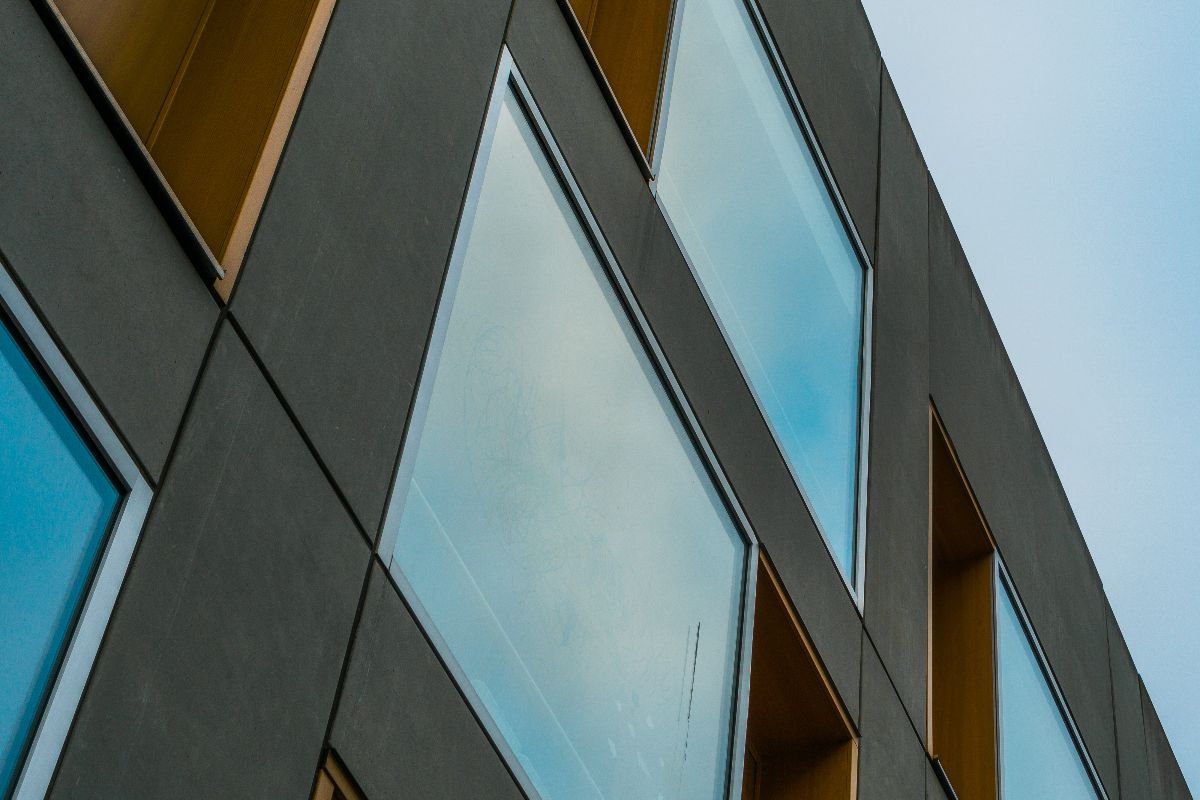
Each construction material responds differently to exterior conditions. Understanding these inherent properties is essential, as they determine how components perform under structural loads, temperature fluctuations, and prolonged environmental exposure. Proper material selection at this stage helps reduce performance issues and supports long-term durability in exterior builds.
Strength and Load-Bearing Capacity
Exterior systems such as façades, cladding, and perimeter elements are subjected to continuous forces, including wind loads, self-weight, and daily operational stress. Materials with insufficient load-bearing capacity may deform, crack, or fail prematurely, particularly when used across large surface areas.
While traditional materials may provide adequate strength, they often introduce trade-offs related to weight, corrosion risk, or maintenance requirements. Materials that achieve a balanced strength-to-weight ratio are generally better suited for exterior applications, as they meet structural demands without placing excessive strain on the supporting framework.
Thermal and Acoustic Performance
Extreme heat or cold causes materials to expand or contract, which may compromise structures in outdoor settings. Exposed areas, such as walkway covers or facades, suffer from poor thermal stability when the chosen material is incompatible. Choosing UV-resistant materials helps maintain structural strength and visual appeal over time.
Noise from busy streets, industrial zones, and commercial districts can affect outdoor spaces if materials transmit sound poorly. Components with good sound-dampening properties minimize noise transfer, improving the comfort of exterior zones. This becomes especially important for balcony walling and service areas where excessive sound could impact functionality.
Environmental Factors
Environmental exposure plays a major role in how exterior materials age and perform over time. Prolonged contact with moisture, sunlight, and airborne pollutants can accelerate surface wear and structural fatigue if not properly accounted for during planning.
Contractors who evaluate environmental conditions early are better positioned to select materials that maintain performance under long-term exposure.
Weather Conditions
A key factor affecting material performance in exteriors is the ability to withstand changing weather conditions. In tropical climates, frequent rainfall and high humidity place constant pressure on exterior components, increasing the risk of moisture intrusion, surface degradation, and corrosion.
Materials designed with weather resistance in mind—such as those with protective coatings or layered construction—generally perform better in wet environments. These features help limit water absorption and support longer service life, especially in projects exposed to persistent rain or coastal conditions.
Temperature Swings
Exterior applications are also affected by temperature variation throughout the day and across seasons. In settings such as industrial facilities, warehouses, or exposed enclosures, sustained heat can cause materials to expand, soften, or lose dimensional stability. Over time, this movement may result in visible distortion, joint separation, or compromised connections.
To manage these risks, contractors should prioritize materials engineered for thermal stability. In addition, proper installation practices—such as allowing for expansion gaps and using compatible fastening systems—play a critical role in minimizing heat-related stress and preserving structural alignment.
Installation and Maintenance Factors
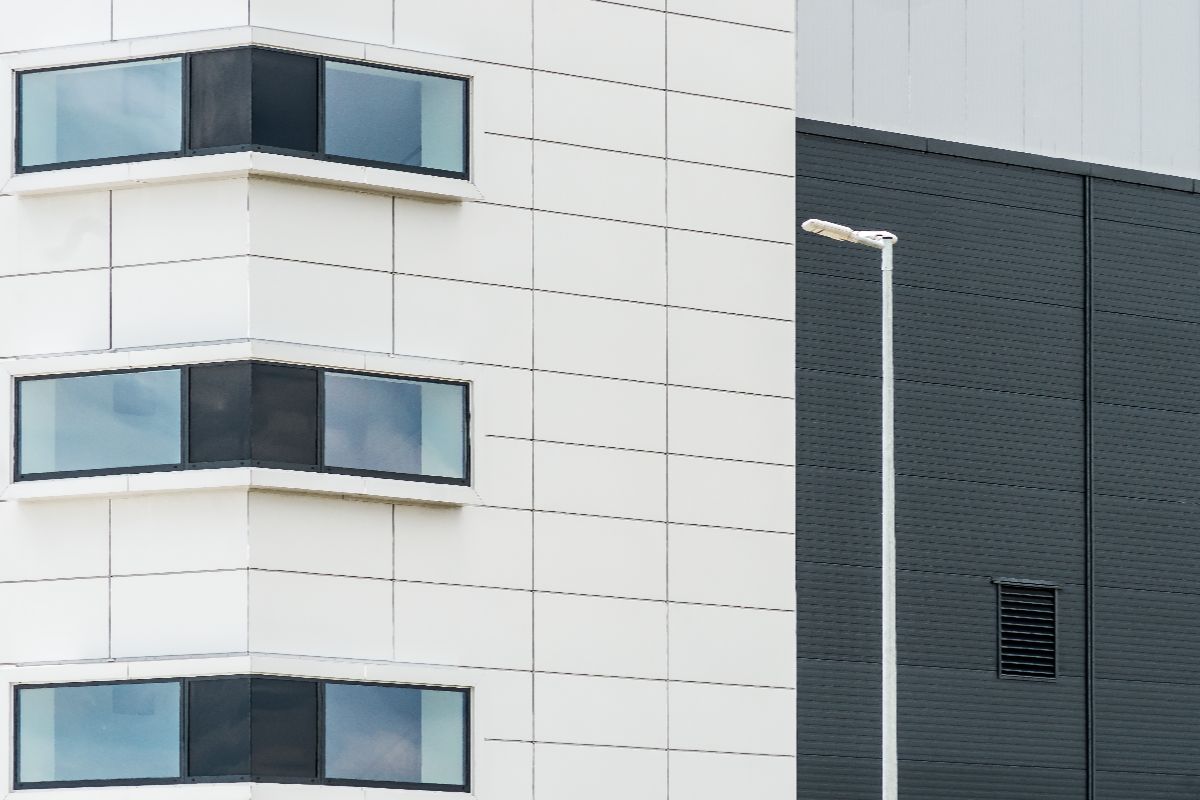
Installation accuracy and long-term upkeep play a critical role in determining how exterior materials perform over time. Even high-quality components can underperform if installed incorrectly or left without proper maintenance. Recognizing these factors early helps contractors protect durability throughout the project lifecycle.
Construction Quality
Installation quality directly influences a structure’s resistance to environmental stress. Improper alignment, inadequate sealing, or incorrect fastening can disrupt load distribution and create pathways for moisture intrusion. Over time, these weaknesses may lead to surface degradation, corrosion, or premature failure.
To maintain consistent performance, contractors benefit from working with reliable suppliers that provide clear technical guidance. Access to proper installation recommendations helps ensure materials are applied correctly, allowing them to perform as intended under real-world conditions.
Maintenance Routines
Maintenance requirements are another key consideration when evaluating materials for exterior use. Some options may offer lower initial costs but demand frequent upkeep to prevent deterioration. Others require less ongoing attention, helping reduce long-term labor and maintenance expenses.
Regular inspections and routine care directly impact service life. Materials that are difficult to clean or require intensive maintenance are more likely to suffer performance issues if neglected. For long-term practicality, many construction teams prioritize solutions that balance durability with manageable maintenance needs.
Key Takeaway
The factors affecting material performance in exteriors enable contractors to make informed decisions for their components’ long-term efficiency. These considerations guide teams toward selecting materials that perform reliably across varying outdoor conditions.
As one of the top 10 ACP suppliers in the Philippines, KENMOS provides affordable and sustainable solutions designed for dependable exterior performance. Contact us today to learn more about our products.