How Do Transparent and Decorative Building Materials Improve Modern Facade Design?
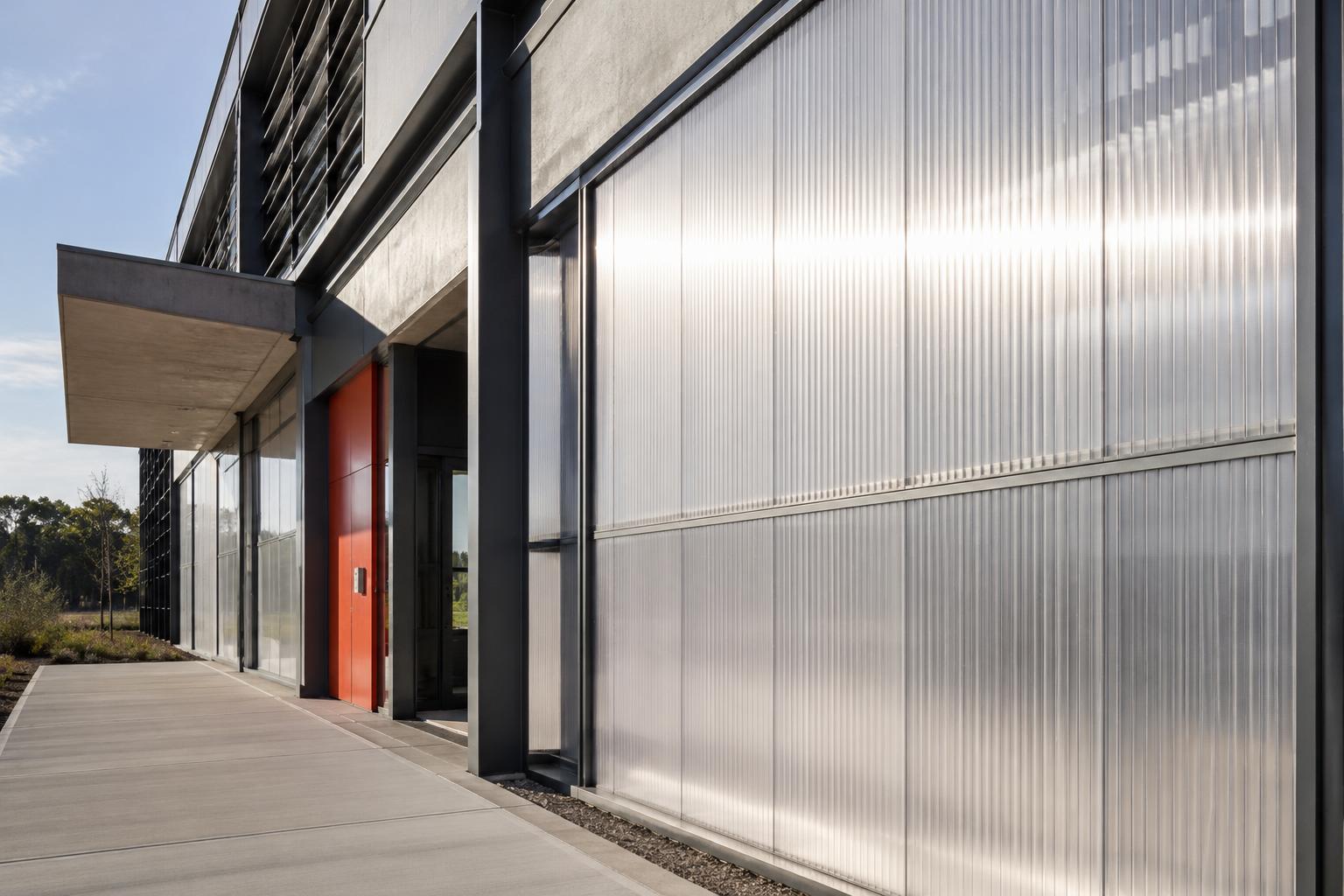
How do transparent and decorative building materials improve modern facade design?
- Superior natural lighting and glare control
- Heightened energy efficiency
- Dynamic visual aesthetic and texture
- Assured occupant well-being
- Advanced structural strength and durability
Overview
- Transparent building materials enhance facade design by combining aesthetics with improved daylighting and overall performance.
- Polycarbonate sheets help balance visual appeal, functionality, and durability in modern systems.
- With KENMOS polycarbonate solutions, architects can specify materials that support efficient, long-lasting facade design aligned with contemporary requirements.
Professional designers must increasingly balance aesthetics and occupant comfort in building envelope design. If transparent facade materials fail to support these goals, even simple architectural concepts may not achieve their intended impact.
Understanding how transparent and decorative building materials improve modern facade design is essential for achieving both aesthetic and functional goals. These materials enhance daylight penetration while also supporting overall facade performance and durability.
As a leading provider of polycarbonate sheets in the Philippines, KENMOS offers solutions that align with both the functional and visual requirements of modern building designs.
Superior Natural Lighting and Glare Control
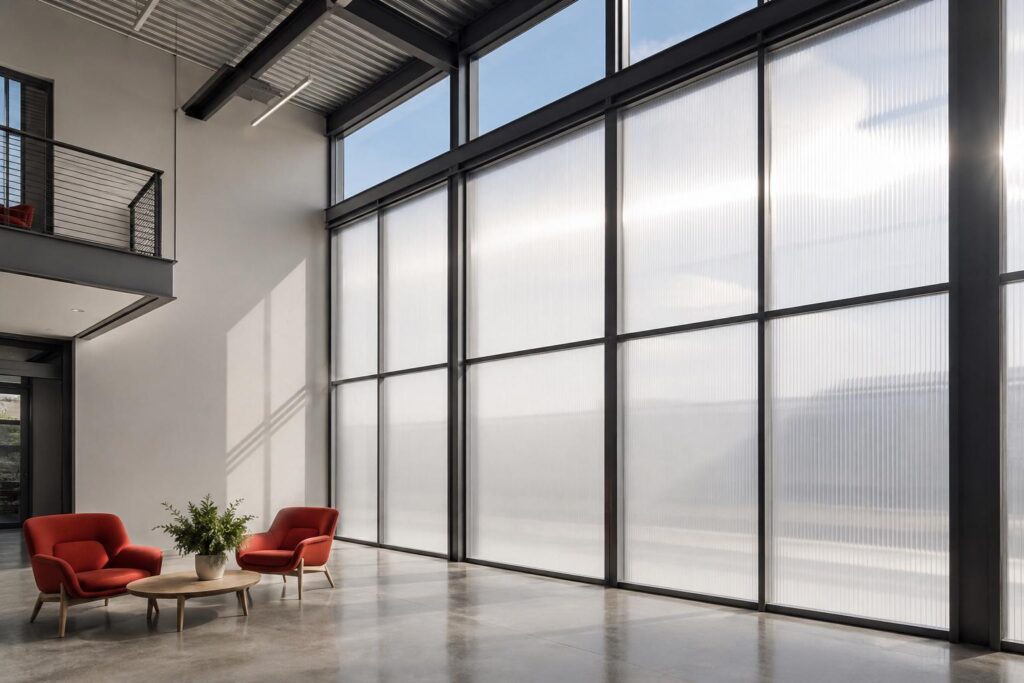
The right transparent materials optimize daylight entry into interior spaces. Polycarbonate sheets, for example, allow architects to introduce natural illumination deeper into the building. They typically feature a high visible light transmission ranging from 80% to 90%. This creates brighter environments that support both visual comfort and spatial quality.
Effective daylighting, however, requires more than simply maximizing transparency. Decorative finishes and advanced glazing technologies help diffuse incoming light to reduce harsh glare. Different textures help soften and distribute light to far greater distances, minimizing the drop-off in brightness as light travels away from the facades.
Heightened Energy Efficiency
Clear materials contribute significantly to energy performance when specified correctly. Modern facade systems coated with materials such as Low-Emissivity (Low-E) Coatings or Transparent Photovoltaic (PV) layers balance optimal lighting with strict thermal regulation. These coatings help architects design highly glazed exteriors with energy-conscious performance in harsh climates.
Rather than treating transparency as a liability for energy-efficiency efforts, contemporary materials transform it into a versatile advantage. Multiwall polycarbonate sheets and insulated glazing systems stabilize indoor temperatures while maximizing daylight utility. As a result, buildings can be designed to reduce their dependence on HVAC systems while maintaining comfort across varying environmental conditions.
Dynamic Visual Aesthetic and Texture
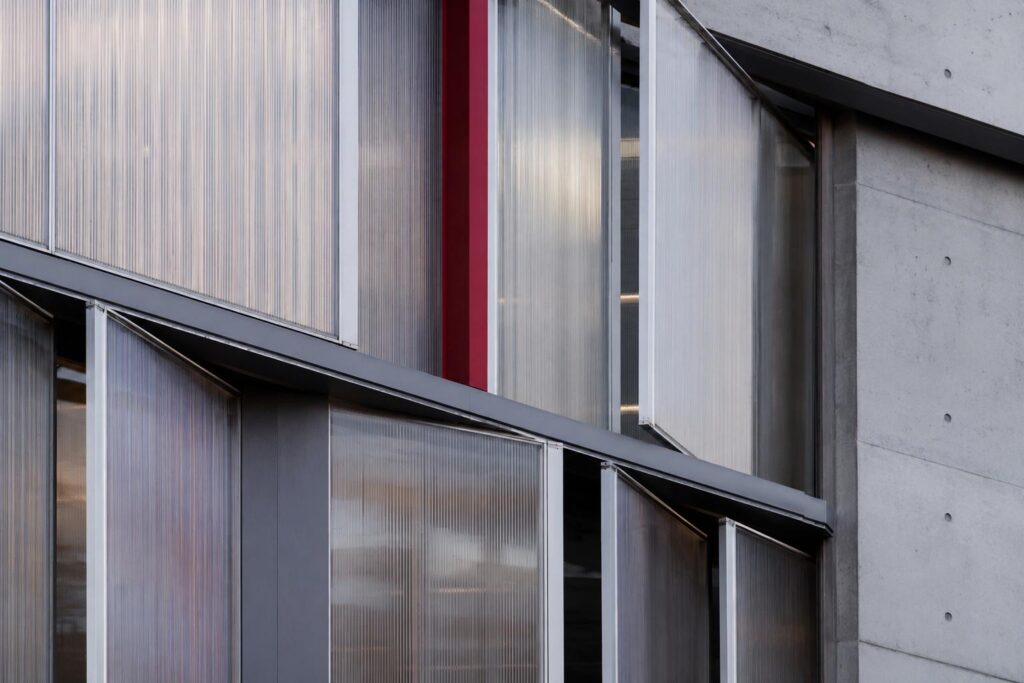
When architects utilize materials with depth and texture, they create facades with a unique and compelling architectural identity. Materials with high transparency offer designers multiple opportunities to manipulate light, reflection, and translucency in ways traditional facade systems cannot. With clever design implementation, these effects help create exteriors that change at specific times of day.
The design possibilities, however, extend well beyond their see-through qualities. Decorative panels allow architects to establish distinctive visual signatures that maintain functional performance. This combination of practical and aesthetic performance makes modern facade components valuable tools for creating memorable architectural visuals.
Assured Occupant Well-Being
Aside from practicality, the right materials improve occupant experience by enhancing comfort and wellness. Access to natural light has been associated with improved productivity and reduced eye strain within interior environments.
Materials like polycarbonate have the lowest transmittance in the Ultraviolet (UV) range, blocking 100% UV and up to 99% of high-energy violet light. This makes it one of the most effective glazing materials available for filtering out harmful UV radiation in facade design.
In addition to protection, decorative materials contribute to occupant well-being by supporting privacy. Carefully designed translucent systems can admit daylight while minimizing excessive brightness. This allows architects to create environments that feel open and welcoming without compromising occupants’ comfort.
Advanced Structural Strength and Durability
Performance-focused facade materials enhance facades by providing greater resilience against environmental and structural demands. Contemporary transparent materials are engineered to withstand impact and long-term stress. This ensures facade systems preserve their visual qualities while supporting architectural objectives throughout the building’s lifespan.
Polycarbonate sheets are particularly valuable in this regard because they offer transparency alongside exceptional strength. In fact, polycarbonate is significantly stronger and lighter than conventional glass, making it highly suitable for complex facade applications. These properties help architects create expansive transparent surfaces that maintain safety under challenging conditions.
Get Polycarbonate Sheets from KENMOS
At KENMOS, we supply high-quality polycarbonate sheets that support complex contemporary facade design. Our products are engineered for high impact resistance and design flexibility, helping architects achieve their project objectives to the fullest extent of their capabilities.
With years of experience serving the Philippine construction industry, we understand the technical considerations involved in specifying facade components for unique architectural applications. Our team provides guidance on selecting solutions that align with your design goals and project conditions.
With KENMOS as your supplier of choice, you gain dependable material solutions backed by technical expertise and quality service.
Key Takeaway
Having strong insights into how transparent and decorative building materials improve modern facade design enables architects to create exteriors that make a more dynamic impression at first glance.
These materials shape architectural expression while enhancing overall facade durability, making them essential in modern design.
For projects requiring high-performance transparent solutions, KENMOS provides trusted polycarbonate sheet options used by construction professionals across the Philippines. Contact us today to find the right materials for your facade requirements.