How to Choose the Right Aluminum Composite Panel For Vehicles

How do you choose the right ACP panels for vehicles?
- Assess the core material’s fire safety
- Determine appropriate panel thickness and structure
- Select the appropriate coating and finish
- Identify its durability for continuous maintenance
- Conduct careful quality assessment checks
Overview
- ACPs see wide use in automotives for their durability and visual appeal, making them the ideal material for part manufacturing.
- However, it’s important to note that ACPs come in different specifications and finishes, making it necessary to know how to choose the right type for automotive products.
- By evaluating several key factors, procurement teams can ensure each panel performs reliably for its intended automotive application.
- KENMOS supports this process by providing certified ACPs with expert guidance, helping automotive professionals make informed decisions that optimize vehicle performance and long-term structural integrity.
Aluminum composite panels (ACPs) offer unmatched versatility, extending beyond facades to specialized applications such as vehicle bodies. Their lightweight structure and visual flexibility make them well-suited for automotive applications, where durability and design precision are critical.
Since they offer extensive customization options and finishes, it’s important to understand how to choose the right aluminum composite panel for vehicles. A critical first step is partnering with a reliable supplier who can guarantee not just consistent product quality, but also dependable delivery timelines.
That’s where KENMOS comes in. As a leading supplier of ACPs in the Philippines, we ensure our components arrive on-site in top condition to support your project’s success. Read on to explore the key factors that ensure precise material selection.
Assess the Core Material’s Fire Safety
When selecting ACPs for vehicle applications, ensure the core material complies with the Philippines’ fire safety regulations. Fire rating classifications are guided by the Fire Code of the Philippines and the National Building Code. These establish the required performance standards for materials used in transport structures.
Typically, ACPs with a Class A2 fire rating are ideal for transportation assets due to their superior resistance against flame spread. These panels feature a mineral-filled core, making them virtually non-combustible and better suited for safety-critical transport environments.
Procurement officers should request official fire classification reports and product technical data sheets to minimize regulatory risks before approving bulk orders.
Determine Appropriate Panel Thickness and Structure

Panel thickness impacts the vehicle’s structural stability and resistance to road stressors, so make sure to choose the correct specifications for your intended vehicle application. Interiors can use 3mm panels, whereas exterior surfaces benefit from 4mm for added rigidity. A thicker aluminum skin, typically 0.3-0.5mm, enhances impact resistance against debris and minor collisions.
The aluminum alloy grade also matters for its durability. 3003 or 5005 alloys provide superior corrosion resistance, making them ideal for protecting corrosion-vulnerable engine parts.
Selecting the right combination of specifications ensures the panels withstand operational stress effectively enough to prevent costly maintenance around the vehicle’s framework.
Select the Appropriate Coating and Finish
Choose coatings that shields automotives from ultraviolet (UV) damage. Coating type determines the performance of vehicle exteriors under exposure to sunlight, weather, and cleaning agents. Some coatings prioritize long-term weather resistance, while others are designed for cost-efficient interior protection.
For exterior panels, Polyvinylidene Fluoride (PVDF) coatings offer superior UV resistance and color retention under intense sunlight. Polyester (PE) coatings, on the other hand, are best suited for interior components that only need minimal thermal protection. Choosing panels coated in the appropriate protective finishes minimizes the need for costly repairs down the line.
At KENMOS, our ACPs feature a protective UV coating to help preserve visual clarity over the long term. We also provide a wide variety of broad color palettes and fine finishes to match any vehicle’s visuals. This makes them ideal for creating lasting, visually stunning automotives that see continuous use on Philippine roads.
Identify Its Durability for Continuous Maintenance
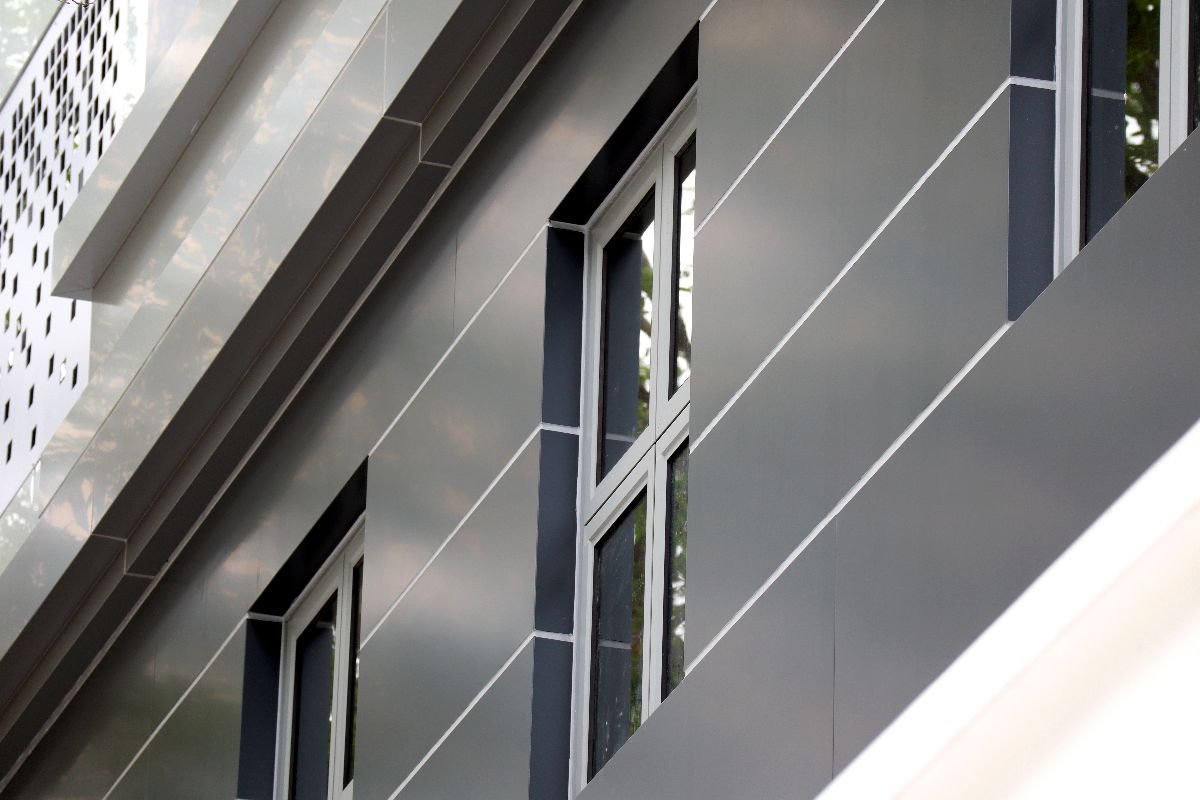
Ask the supplier about the panels’ specific features: Is it corrosion-resistant? How much impact can it withstand? High-quality ACPs resist rust, fading, and surface wear, meaning they can endure the chemical exposure and handling stress caused by frequent maintenance.
Professionals should request detailed durability specifications and compare product datasheets across suppliers before a bulk purchase. This ensures the selected panels maintain structural integrity and appearance over time.
Furthermore, teams can utilize these facts to plan budgets and minimize unexpected costs brought by specification mistakes down the line.
Conduct Careful Quality Assessment Checks
Lastly, procurement officers should perform detailed quality checks before finalizing any purchase. Each car part has different performance requirements: for example, exterior parts need high impact resistance and UV protection, while interior components require flexibility and scratch resistance for comfort and lasting value.
For reliable results, source ACPs from reputable suppliers who can provide the necessary certifications. Trustworthy partners provide ISO certifications, warranties, and thorough documentation to provide distributors with peace of mind.
Providers like KENMOS support procurement officers and distributors by offering verifiable quality assurance for each product. We conduct rigorous quality tests to ensure each panel’s consistent performance in automotive applications.
Build Strong and Resilient Vehicles with KENMOS Aluminum Composite Panels
If you’re seeking reliable ACPs that deliver both performance and visual excellence, choose KENMOS. Our advanced manufacturing processes deliver consistent panel thickness and a wide range of coatings and finishes to help automotives withstand long-term use.
With nationwide delivery and technical guidance, KENMOS supports professionals in managing large-volume orders efficiently. Partnering with us means access to customized sizes and precise specifications to help vehicles achieve optimal structural integrity for years to come.
Key Takeaway
When procurement teams understand how to choose the right ACP panel for vehicles, they can ensure each panel meets safety and durability standards for its intended application. Careful evaluation of each factor ensures panels perform reliably across all automotive parts.
KENMOS provides high-quality ACP options in the Philippines designed for lasting reliability. Trusted for certified materials and consistent quality, we help professionals make informed procurement decisions for automotive manufacturing. Get a quote today to secure panels tailored to your vehicle projects.