3 Industries That Use Aluminum Composite Panels
Overview
- Aluminum composite panels are a versatile solution for a wide range of industries seeking lightweight, visually appealing materials for indoor and outdoor structures.
- Their adaptability allows them to perform in different demanding environments, from exterior claddings in construction to vehicular body panels in transportation applications. Beyond strength and aesthetics, these panels simplify maintenance and offer lasting reliability, making them a practical choice for professionals seeking cost-effective components.
With their adaptability in different applications, it’s no wonder that there are many industries that use aluminum composite panels (ACPs). Their lightweight yet durable construction allows for functional aesthetic applications in both exterior and interior projects.
Procurement officers benefit from understanding how these panels offer lasting durability at cost-effective rates across projects. With a trusted supplier like KENMOS, professionals gain access to quality materials tailored for different project requirements.
Continue reading to explore how various industries utilize ACPs in unique settings.
Construction Industry
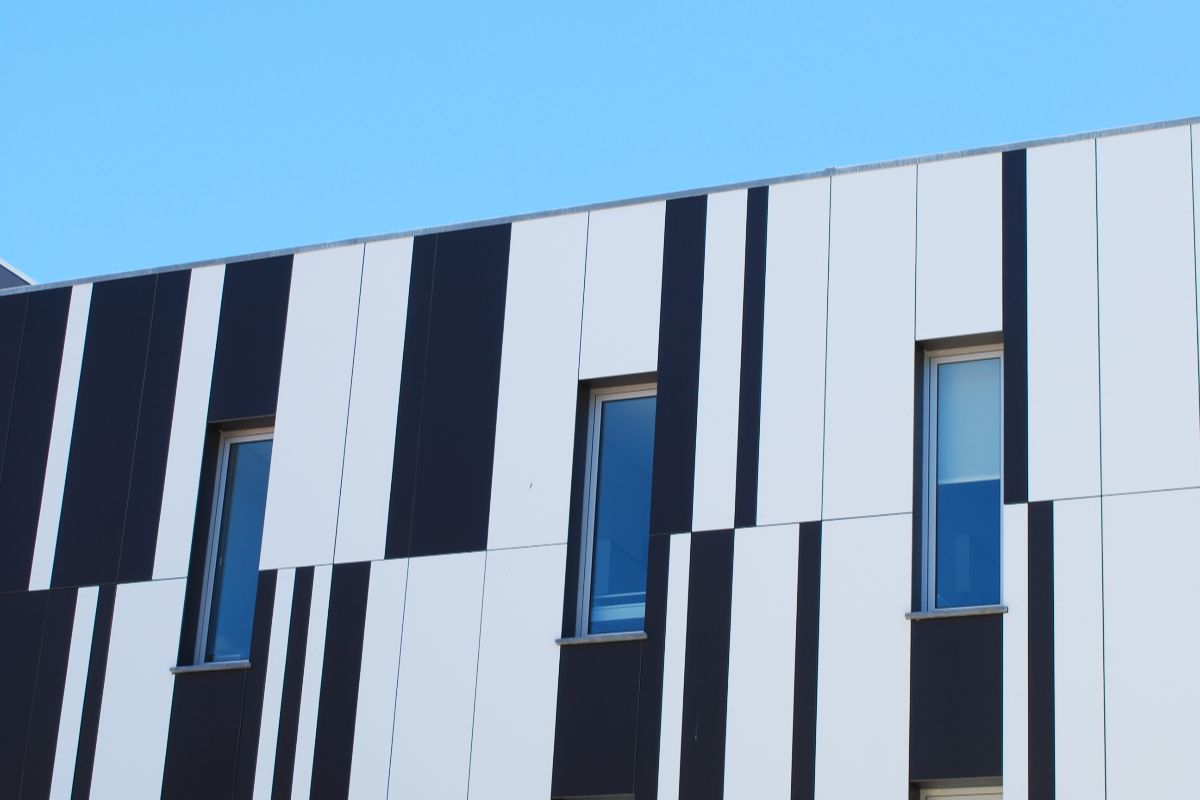
The construction sector relies heavily on materials that can perform consistently under environmental and structural stress, making ACPs a high-demand choice. They’re integrated into complex builds for their combination of strength and versatility, qualities that matter in supporting critical frameworks.
Exterior Cladding
ACPs are used in exterior cladding because their layered composition provides strong protection against exposure. Their corrosion-resistant coating helps them withstand heavy rainfall or chemical spills, while their lightweight design reduces structural load. Together, these qualities make them a highly valuable choice for extensive outdoor use.
In addition to durability, ACPs support architectural creativity through a wide range of finishes and colors, all at a cost-effective price. They also have exceptionally low maintenance needs, which helps reduce operational costs over the long term.
High-rise buildings and commercial complexes, in particular, frequently employ them for their functional protection and design impact. They’re commonly used as facades, curtain walls, or perimeter panels in these developments.
Interior Decoration
The material’s lightweight nature easily enables creative configurations in offices, hotels, and retail spaces. Their smooth finish and versatility allow for elegant partitioning and ceiling designs, ensuring interiors maintain a fresh appearance despite frequent traffic or handling.
Design flexibility is another reason why they are a popular material for interior concepts. They often come in customizable textures and finishes to align panels with brand identity or thematic motifs. This makes them a highly practical choice for spaces that require both durability and an aesthetic upgrade.
Advertising Industry
Signage, promotional displays, and visual eye-catchers. Advertising firms utilize ACPs to balance visual appeal and weather resilience in relevant applications. They offer a versatile base for creative designs.
Displays and Signages
Retail stores and graphics design firms use ACPs to create high-quality, attention-catching ad displays and signage. Their lightweight yet durable composition allows easy formability, meaning they can be cut, bent, or shaped without damaging the structure’s integrity. Furthermore, their wide color and finish options allow procurement officers to select materials that suit their client’s visual brand identity.
Unlike tarpaulins that gradually fade, aluminum composite alternatives provide strong resilience against UV rays and moisture. These keep advertisement stands vibrant for longer periods of time, significantly reducing replacement and repainting costs.
Outdoor Light Boxes
Aluminum composite components are widely used in outdoor light boxes since their structural stability reliably protects inner light sources. Their smooth surfaces distribute light evenly, ensuring the illuminated signage appears professional and visually consistent.
Additionally, the material’s adaptability allows for quick assembly and modification. Professionals no longer need to waste resources on additional reinforcements or labor, saving budget for other aspects of visual improvement.
Transportation Industry
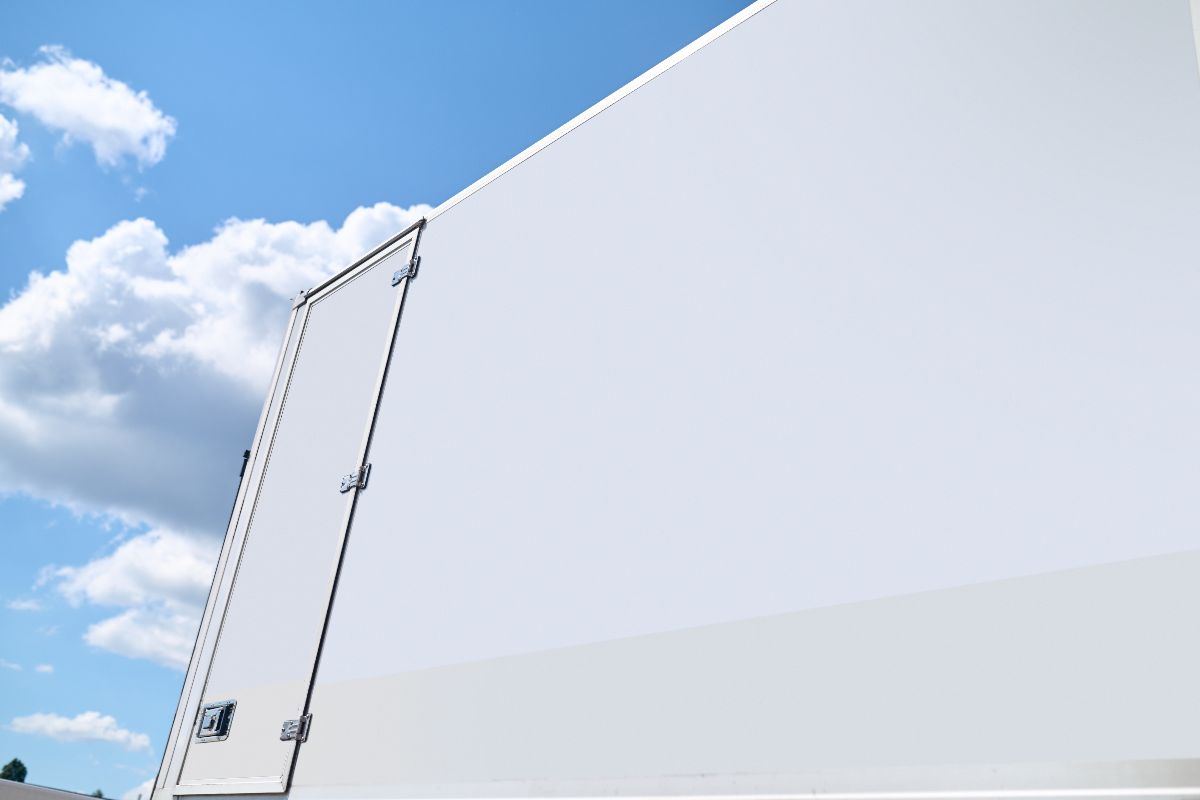
Both vehicle manufacturers and transport infrastructure developers require the durability and weight savings the materials provide. They’re adopted for these precise requirements to support both road safety and passenger protection.
Vehicle Body Panels
The transportation industry relies on ACPs for vehicle body panels because they combine lightweight construction with durability. Using these materials reduces a vehicle’s overall weight, which eases strain on engines and improves fuel efficiency as a result. Buses and trucks benefit from the external protection that they provide.
These components also simplify repairs and replacements in fleet management. Modular designs allow individual sections to be swapped out without full overhauls, lowering maintenance costs. Their strong resistance to environmental stress ensures vehicles remain operational even under harsh conditions.
Other Applications
Outside of major industrial uses, aluminum composites still see utility in other unique applications. These include industrial and public settings, which require reliable materials that can withstand frequent exposure.
- Urban Furniture – ACPs are increasingly used in bus shelters, benches, and kiosks because of their dependable weather resistance and low-maintenance surfaces. They maintain aesthetic appeal while enduring heavy public use.
- Industrial Uses – In these settings, they’re applied for machinery enclosures and protective cladding. Their corrosion resistance and easy customization make them ideal for harsh environments in large-scale facilities.
Key Takeaway
With knowledge of the industries that use aluminum composite panels, sourcing managers can select materials that meet specific functional demands. Understanding where and how they’re applied in different industries allows professionals to maximize their benefits and optimize overall project outcomes.
Ready to use ACPs to your advantage? If you’re looking for strong, affordable panels, trust KENMOS. We provide high-quality, sustainable panels designed for diverse industry applications. Contact us today to learn how our solutions can support your next project.