How Polycarbonate Sheets Improve Structural Safety and Durability
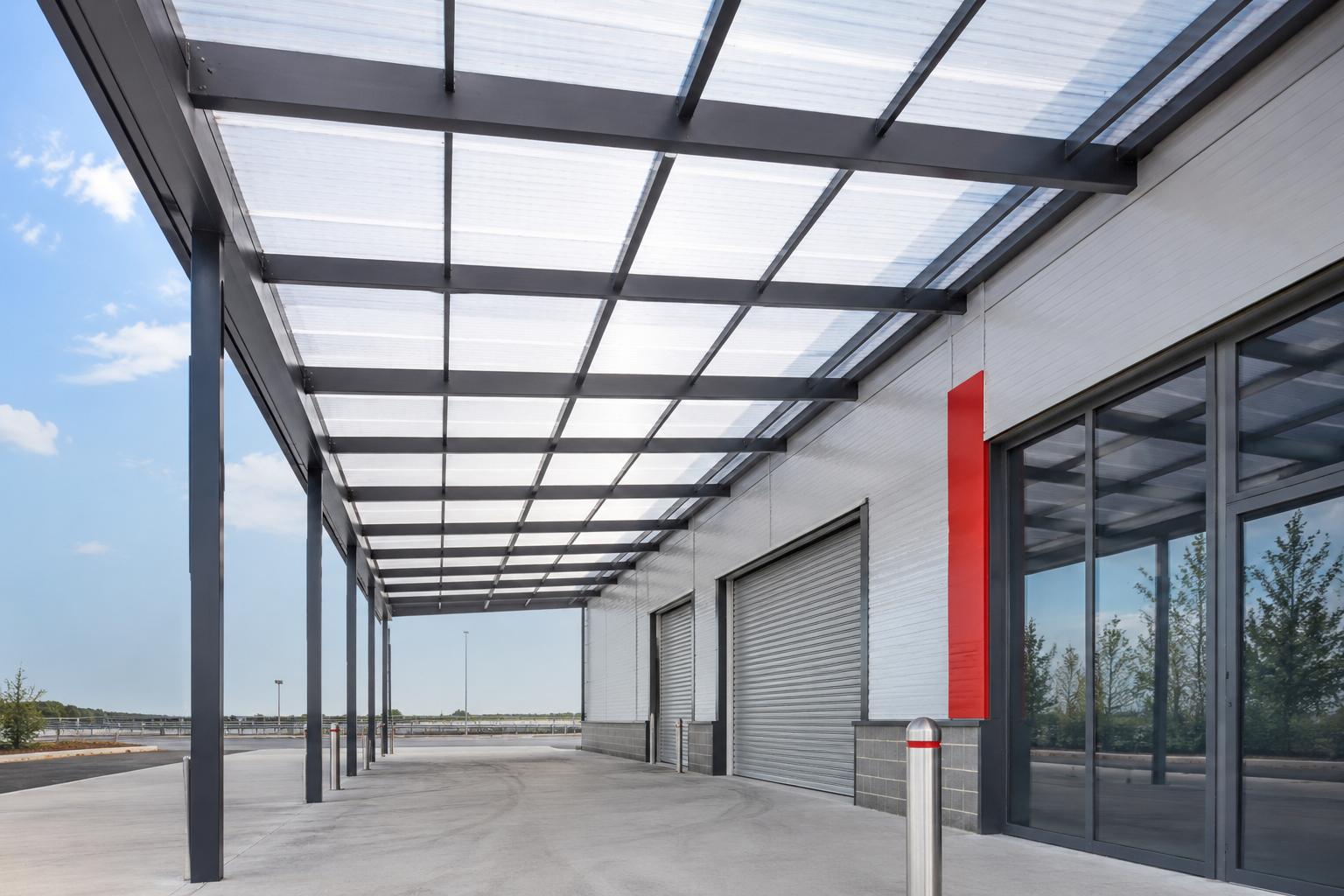
Overview
- Structural safety depends heavily on the use of materials that can withstand long-term environmental and physical stresses without compromising performance. Polycarbonate sheets have become widely used in modern construction because they combine impact resistance and lightweight structural support in a single material.
- Their versatility also allows architects and contractors to improve durability across roofing systems, glazing applications, and protective structures.
- As a trusted supplier of polycarbonate sheets in the Philippines, KENMOS provides reliable material solutions designed for demanding construction environments.
Modern structures demand materials that can reliably ensure long-term stability. Polycarbonate sheets, in particular, have become a preferred solution for these applications because of their exceptional strength. As one of the strongest alternatives to glass, they protect buildings against physical stress and harsh weather exposure.
Understanding how they contribute to safer structures is critical before specifying them for a project. With KENMOS as your reliable polycarbonate sheet supplier in the Philippines, you gain access to the expertise needed to learn why they work best for complex structural applications.
Continue reading to learn how polycarbonate sheets improve structural safety and durability.
Key Contributions of Polycarbonate Sheets to Safety and Durability
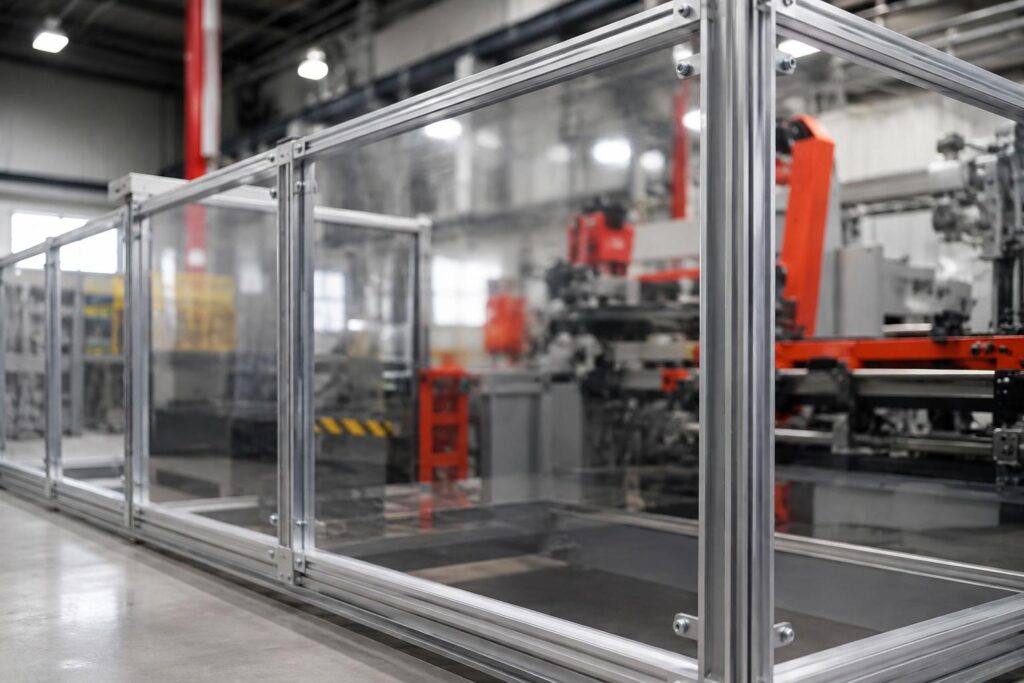
Polycarbonate panels improve structural reliability by strengthening impact protection and reducing structural strain under harsh environmental conditions. Their material properties allow builders to address durability concerns without sacrificing design flexibility.
Superior Impact Resistance
One of the key ways these sheets improve safety is through their high impact resistance. Unlike traditional glazing materials that shatter under pressure, polycarbonate can absorb and disperse force across its surface. This greatly reduces the likelihood of dangerous breakage in areas exposed to heavy use or accidental impact.
This is possible because their molecular structure allows the sheets to maintain strength even after repeated exposure to stress. As a result, contractors commonly specify these materials for facilities exposed to debris impacts or subject to demanding industrial activity, such as protective barriers in factories or laboratories. Their durability helps minimize maintenance requirements and improves operational safety over the long term.
Lightweight Structural Load Reduction
Another critical trait that contributes to their dependability is their lightweight structure. Polycarbonate sheets weigh about one-sixth as much as standard glass, reducing the dead load transferred to existing support structures. This allows professionals to design larger, more transparent sections without placing excessive stress on the building’s framework.
Lighter materials also simplify transportation and installation during construction. Contractors can install large sheets more efficiently while reducing on-site handling risks. Over time, lower structural weight reduces stress accumulation in support systems, improving durability throughout the structure.
Extreme Weather Performance
Structures exposed to changing environmental conditions require materials that can maintain stability under continuous stress. The sheets perform exceptionally well in environments exposed to intense sunlight, heavy rainfall, and fluctuating temperatures. Their flexibility allows them to accommodate thermal expansion, ensuring they maintain their form even under harsh pressure.
Many polycarbonate sheet grades include UV- protective layers that shield the material from long-term sunlight degradation. This protection helps prevent discoloration and surface deterioration even after years of outdoor exposure. For roofing systems and exterior structures, maintaining this stability is critical for preserving structural integrity.
Fire Safety
Polycarbonate sheets are manufactured in accordance with local fire safety laws, thereby improving fire performance in controlled architectural applications. Many construction-grade sheets are manufactured with fire-retardant properties that help slow the spread of flames when exposed to high heat. This gives occupants additional time to respond during emergencies.
Unlike materials that rapidly collapse when exposed to heat, polycarbonate can maintain its form longer under controlled conditions. Contractors must review fire rating certifications and temperature tolerances before installation to ensure the sheets comply with their project’s specifications. With proper material selection, it becomes easy to maintain both safety and regulatory compliance across different builds.
Design Flexibility and Versatility
Safer structures often depend on materials that can adapt to complex architectural requirements without weakening their performance. Polycarbonate sheets can be bent, curved, cut, and fabricated into different forms to better suit design-oriented structures. This flexibility allows builders to create protective structures without relying on overly rigid systems that only limit structural efficiency.
Their adaptability reduces the need for excessive framing modifications upon installation. Contractors can integrate the sheets into skylights, partitions, and protective barriers while maintaining consistent structural support. This combination of flexibility and strength allows projects to achieve both performance and architectural functionality.
Common Applications That Enhance Structures
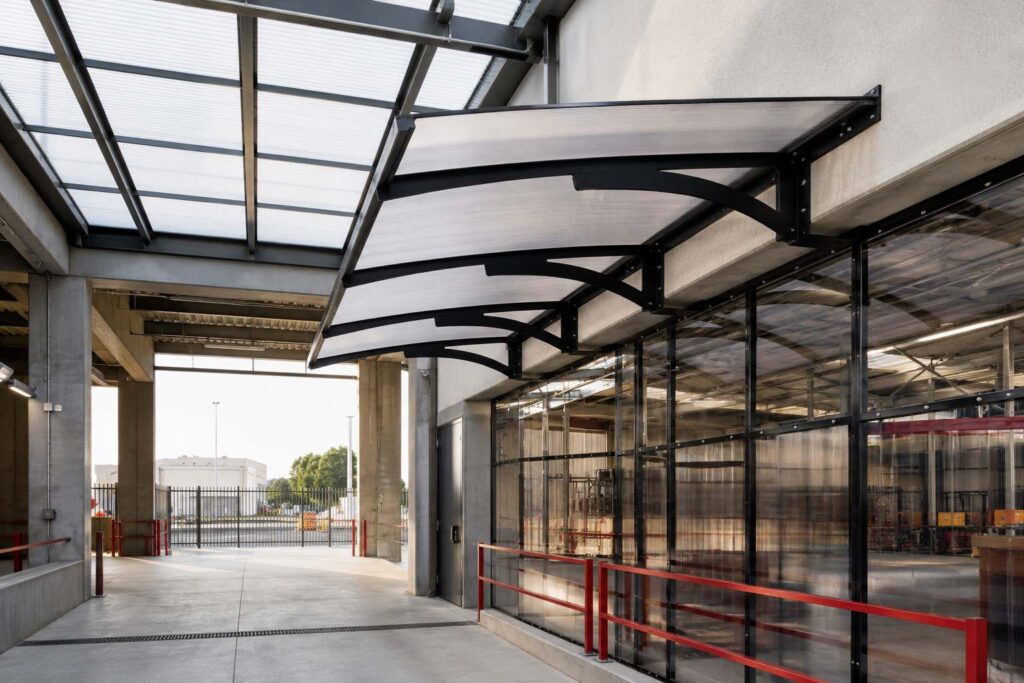
Polycarbonate sheets improve building performance most effectively when applied in areas that demand durability. Their strength and flexibility make them valuable as protective components in structural applications across modern construction.
These include the following:
- Skylights and Roofing
- Security Glazing
- Protective Canopies
Key Takeaway
With a strong understanding of how polycarbonate sheets improve structural safety and durability, contractors can make more reliable material decisions during project planning. Their ability to resist impact and support safer builds makes them a highly valuable choice across modern construction applications.
As a top supplier of polycarbonate sheets, KENMOS provides durable solutions in appropriate grades and structures, ensuring professionals can make the most of the material’s advantages in every build. Contact us today to find the right sheets for your next project.