Understanding Acrylic Sheets: A Guide
Overview
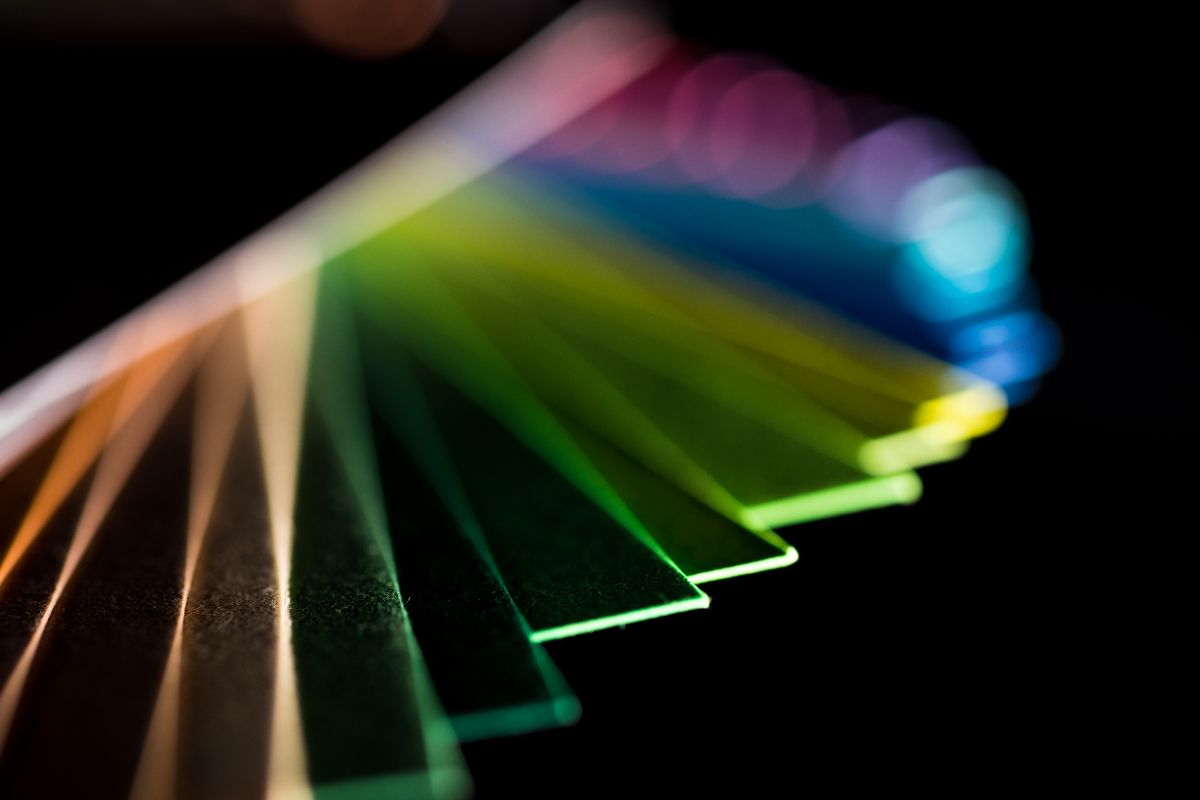
- This article introduces acrylic sheets as an optimal choice for design professionals seeking materials that combine durability with striking visual appeal.
- Their adaptability allows them to harmonize with a variety of lighting conditions, colors, and forms, making them suitable for both functional and decorative purposes. Each unique advantage they bring allows designers to balance practicality with aesthetic quality.
- For high-quality acrylic solutions that deliver consistent results, KENMOS remains a trusted partner for architects and designers.
Introduction
From clean interior partitions to expressive façade details, acrylic sheets continue to shape contemporary design. Their balance of clarity, formability, and durability allows them to adapt across a wide range of architectural and interior applications. When used with intention, the material supports creative exploration while maintaining reliable performance.
This guide to understanding acrylic sheets breaks down how their core properties influence both aesthetics and functionality. By knowing how acrylic sheets behave in different environments, design decisions become more confident and cohesive.
Key Properties of Acrylic Sheets
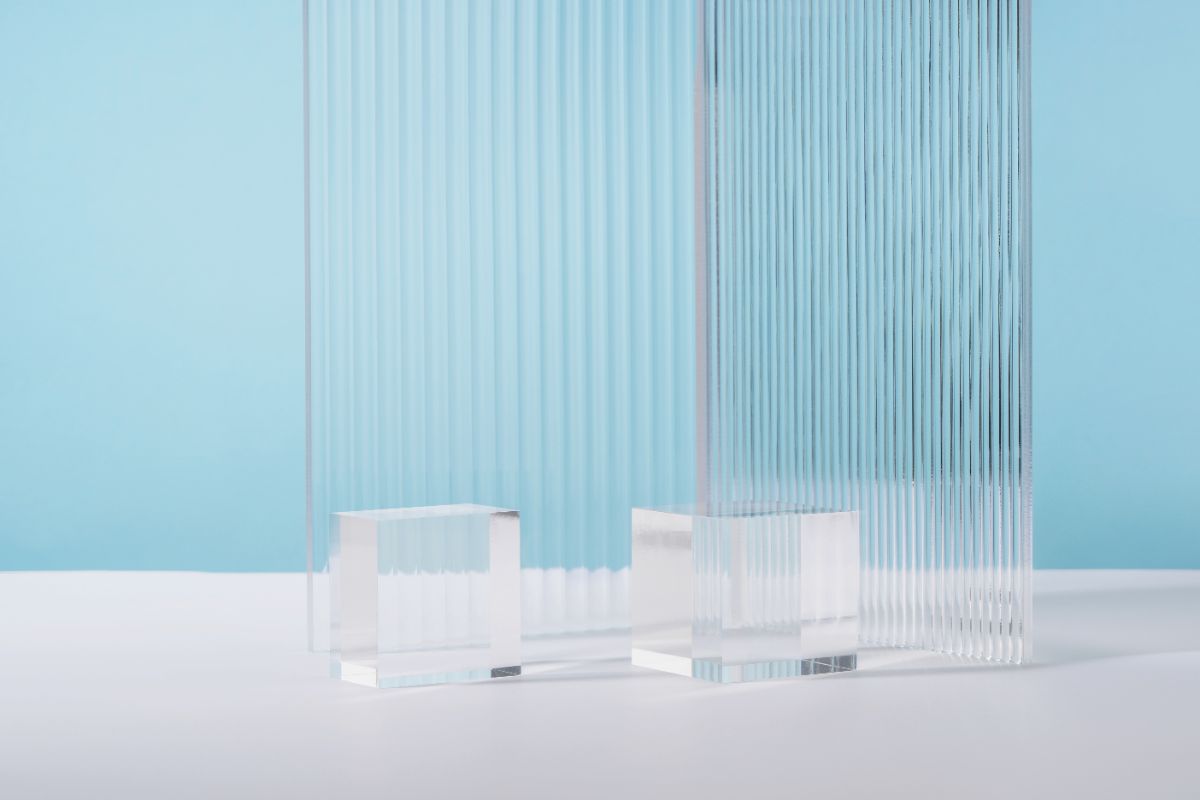
Transparent panels come with several characteristics that contribute to their usefulness across multiple design applications. Their combination of strength, clarity, and adaptability makes them especially effective for projects where aesthetics and performance are equally critical.
Aesthetically Versatile
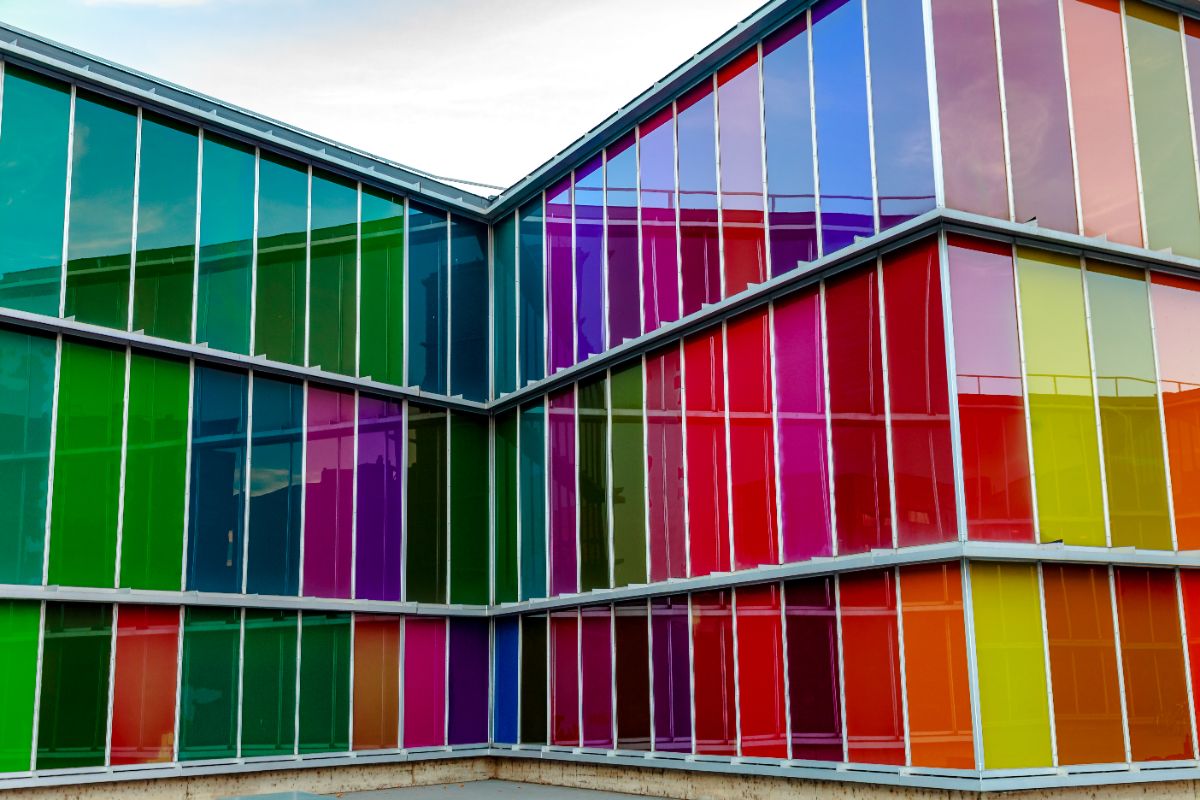
Acrylic delivers a broad spectrum of colors and light-diffusing effects, enabling panels to produce subtle gradients, vivid tones, or transparent finishes. Its interaction with light and color allows designs to adapt smoothly across different visual styles. Applications like backlit retail signage or museum installations showcase how it enhances visual impact while maintaining a consistent, dependable material base.
Beyond its visual flexibility, it can also be molded into intricate shapes without sacrificing durability. This combination of formability and design precision gives creative teams the control to bring complex concepts to life with confidence.
Appealing Optical Clarity
Spaces that require unobstructed visibility benefit from optical-grade panels’ ability to transmit light with minimal distortion. With a refractive index that rivals traditional glass, this material maintains sharp transparency even at thicker gauges. This allows project designers to preserve visual continuity across builds, whether they’re working with expansive glazing features or interior partitions.
Its clarity is further supported by a stronger safety profile. Unlike conventional glass, these lightweight panels offer higher impact resistance, reducing risks in areas with heavy foot traffic. This makes them suitable for public facilities and transportation hubs, and they’re equally effective for protective display cases for commercial use.
Strong Weather-Resistance
With inherent strength and ultraviolet (UV) stability, weatherproof clear panels effectively resist yellowing and surface degradation. This makes them ideal for outdoor structures such as skylights, facade elements, or signage that face constant sunlight throughout the year.
The weather in the Philippines swings quickly between intense heat and heavy rainfall. For this reason, design professionals need clear materials that won’t degrade under environmental stress. Acrylic meets this demand with a combination of UV resilience and low moisture absorption to resist fading or corrosion. As a result, these panels maintain their visual appeal with minimal upkeep even in harsh external conditions.
Exceptional Durability
Public spaces, transportation interiors, and industrial facilities benefit from acrylic’s high-impact resistance. This strength comes from its tightly bonded polymer structure, which absorbs and distributes force more effectively than traditional glass. Its reliability allows the safe creation of large panels or high-traffic installations with lasting appeal.
In high-contact environments, weak panels can lead to higher maintenance costs or even potential hazards. Acrylic’s toughness mitigates these risks by ensuring installations retain their functionality and aesthetic quality over time.
Types of Acrylic Sheets
There are two primary types of acrylic sheets, each offering specific benefits that align with unique project needs. Understanding their differences ensures designers select the most appropriate material for their build.
Cast Acrylic Sheets
Cast acrylic sheets are made by pouring liquid acrylic into molds. This process results in panels with exceptional optical clarity and superior scratch resistance, making them ideal for high-end design applications.
What makes them a popular choice is their easy formability. They remain dimensionally stable during cutting and machining, enabling precise fabrication of intricate components. Though they have higher upfront costs, they live up to their value by offering long-lasting protection and visual appeal.
Extruded Acrylic Sheets
Extruded sheets are manufactured through a continuous melt-and-extrude process, resulting in highly uniform sheets. While they offer excellent optical clarity, their molecular structure is slightly softer than cast acrylic, which allows for greater flexibility in thermoforming.
From a design perspective, these sheets are favored in high-volume production thanks to their cost-efficiency. Their consistent thickness and quick fabrication allow designers to benefit from uniform components without compromising project timelines.
What to Consider When Buying Acrylic Sheets
Several factors influence how well the sheets integrate into a space or structure. With careful selection, designers can fully maximize their potential and performance for each project.
Acrylic Grade
Different acrylic grades offer varying levels of clarity and thermal stability. The grade you choose affects both the appearance and performance of your design, so be sure to select the one that best suits your specific application.
Intended Application
Signages, protective panels, and decorative features each have unique requirements for thickness and durability. Understanding these factors helps you avoid unnecessary resource waste and ensures your design performs as expected.
Supplier Reputation
The quality of acrylic sheets heavily depends on the supplier’s manufacturing standards and commitment to consistency. If you purchase from an unverified supplier, you risk getting subpar materials that don’t measure up to the value you paid for.
Trusted suppliers, like KENMOS, provide high-quality acrylic solutions backed by strict workmanship standards. We ensure each panel meets strict quality regulations to ensure optimal performance for diverse project applications.
Key Takeaway
Acrylic sheets offer a valuable combination of functionality and visual appeal, making them a reliable choice for many design applications. With a comprehensive guide to understanding acrylic sheets, professionals can confidently execute both creative and technical aspects of their build.
Ready to source premium sheets for your next design? KENMOS is the trusted supplier you can rely on. Contact us today to discover how our panels ensure exceptional design results for every project.