How Do Transparent Materials Improve Vehicle Performance?

How do transparent materials improve vehicle performance?
- Feature significant weight reduction
- Through adequate thermal management
- Aerodynamics and design flexibility
- Integrated technology
- By having energy-efficient defrosting
Overview
- Transparent polymers like polycarbonate and acrylic offer lighter, impact-resistant alternatives to traditional glass, improving vehicle efficiency and design flexibility.
- Transparent materials also enable thermal control and integration of sensors or displays for advanced functionality.
- For reliable, high-clarity sheets and tailored specifications that meet automotive performance needs, Kenmos supplies durable transparent materials suited to diverse vehicle applications.
Manufacturers are exploring materials that support visibility, improved weight management, and thermal control as car design evolves.
That’s why traditional glass has long been the standard choice for vehicle glazing because of its clarity and safety benefits. However, advancements in material technology have introduced lightweight alternatives such as polycarbonate and acrylic, providing extra benefits for specific applications.
In this article, we’ll learn how transparent materials improve vehicle performance, allowing automotive personnel to select solutions that support contemporary design needs.
Feature Significant Weight Reduction
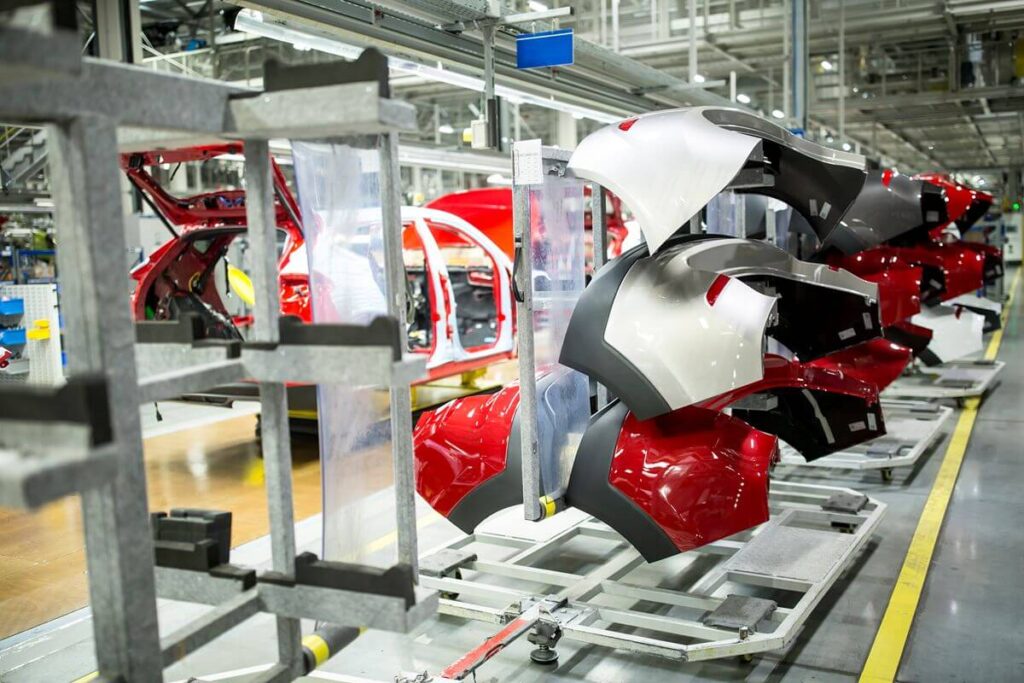
Transparent products like polycarbonate offer a superior balance between impact resistance and lower weight compared with conventional glass. Because they are lighter, the total mass of a vehicle is decreased, contributing to better fuel efficiency and reduced energy consumption.
The weight advantage is crucial in electric vehicles, commercial transport systems, and specialized cars where every load reduction impacts performance. By using lightweight products in selected parts, efficiency is improved, and the required visibility and protection are attained.
Through Adequate Thermal Management
Transparent materials play an essential role in managing heat inside the cabin. Since big glass areas allow sunlight to penetrate, controlling heat transmission is important for maintaining passenger comfort and reducing energy demand.
These products can be designed with protective coatings or specialized properties that restrict UV exposure and heat buildup. This allows vehicle cooling systems to operate more efficiently because less energy is needed to maintain comfortable interior temperatures.
Aerodynamics and Design Flexibility
Streamlined shapes are crucial for contemporary vehicles because they reduce air resistance and improve efficiency. Transparent materials support this goal by enabling greater flexibility in creating curved surfaces, lightweight panels, and integrated designs.
Unlike other materials that may have limitations in shaping and fabrication, transparent polymers such as acrylic and polycarbonate can be formed into various configurations.
This allows designers to develop smoother vehicle profiles while maintaining structural requirements. Whether applied to specialized windows, protective covers, or exterior elements, these items give manufacturers more freedom to balance appearance, performance, and practicality.
Integrated Technology
Integrating sensors, displays, and smart features into transparent components requires materials that support visibility and innovation. Transparent materials can be combined with electronic parts to build features such as heads-up displays, sensor covers, and interactive panels. These applications demand excellent optical clarity because distortions can influence how drivers interact with important information.
Durable transparent polymers are valuable in these applications because they provide design flexibility. Because they can be shaped, coated, and personalized, components are developed with protection, functionality, and advanced technology in mind.
By Having Energy-Efficient Defrosting
In colder environments, maintaining clear visibility is vital for driver safety, making windshield and window functions a key consideration.
Specific glazing solutions incorporate heating components that remove frost, ice, or condensation from transparent surfaces. When combined with items made for adequate heat transfer, they can clear visibility faster while using less energy.
Reducing the power necessary for climate-related functions supports vehicles operating effectively in varying environmental conditions.
Get Reliable Transparent Material Solutions from KENMOS

Selecting the right transparent material is essential for projects that require both performance and reliability. Kenmos, a polycarbonate sheet supplier in the Philippines, delivers top-quality acrylic and polycarbonate sheets for applications where clarity, durability, and flexibility are important.
With excellent optical properties, lightweight construction, and resistance to environmental exposure, our transparent materials genuinely support industrial and commercial requirements. Our range of products also enables experts to select suitable specifications according to the project goals, whether they require protective components, specialized panels, or design-focused solutions.
Ultimately, Kenmos helps businesses achieve reliable results while maintaining the performance standards required for modern applications.
Key Takeaway
Understanding how transparent materials improve vehicle performance highlights their significance in contemporary transportation design. From vehicle weight reduction to thermal performance, these materials contribute far beyond basic visibility.
At Kenmos, we deliver durable acrylic and polycarbonate solutions that meet the demands of innovative projects requiring high-performance transparent materials. With reliable products, customization options, and professional support, we support clients with their automotive operations. Contact us today to learn more.