An In-Depth Guide to Procuring Durable Design Materials
Overview
- Durable materials are essential for maintaining structural integrity and aesthetic quality over time.
- Selecting the right options requires evaluating performance standards, design goals, and supplier certifications to avoid premature wear and costly errors.
- High-quality materials like acrylic sheets support long-term project durability.
- For reliable solutions, KENMOS provides precision-engineered acrylic sheets with expert technical support.
Durability is more than just a design consideration; it is a benchmark of any professional construction team’s credibility. Material failure can compromise not only the aesthetic vision of a project but also its long-term structural value, making careful procurement critical.
In this guide to procuring durable design materials, we explore the technical and strategic steps that protect both performance and visual intent. Acrylic sheets, in particular, stand out among high-performance solutions for their strength and versatility.
As a top acrylic sheet supplier in the Philippines, KENMOS offers the reliability and proven expertise needed for effective material selection. Read on to discover how to approach material procurement with precision.
Define Durability and Performance Standards
Measurable benchmarks are essential for responsible material procurement. They guide design expectations and determine material performance on-site, making it critical to assess their stability before committing to a supplier.
Define Design Goals Early
First, identify your design goals to clarify what outcomes the materials must deliver. These could be anything, ranging from structural aesthetics to operational requirements. Considering how each material will perform under expected conditions allows you to make informed material selections and avoid costly revisions.
If you aim to achieve lasting durability, choose materials suited to your specific application. For example, exterior panels are constantly exposed to the elements. This makes highly durable solutions like acrylic sheets a viable material, since they effectively deliver optical clarity and high impact resistance.
Choose your materials based on the following goals:
- Durability targets
- Maintenance requirements
- Aesthetic standards
- Sustainability goals
- Structural performance
Consider Life Cycle Assessment
A Life Cycle Assessment (LCA) evaluates the environmental and economic impact of a material across its entire lifespan. Conducting this analysis for each material helps identify which ones are not only durable but also cost-effective and environmentally responsible over the long term. Quantifying energy use and potential waste informs material selection choices that balance both performance and regulatory compliance.
Using LCA insights helps teams select materials with longer lifespans and lower maintenance requirements. It also improves transparency when presenting material choices to clients and regulators. Integrating LCA into procurement ensures decisions are data-driven rather than based solely on upfront costs.
Select the Right Supplier
Identify suppliers who provide verifiable product data and a proven track record for material reliability. Even the best materials can fail if a supplier cannot reliably deliver quality or ongoing support, so it’s critical to choose a partner who can provide both.
Verify Supplier Certifications
Supplier certifications serve as documented proof that materials meet specific industry standards for quality compliance, so it’s critical to verify them. Contractors should inquire about specifications such as ISO 9001 for quality management or ask about industry-specific standards relevant to their project. This verification reduces the risk of receiving substandard or non-compliant materials that could compromise results.
Beyond checking certificates, it’s critical to confirm that they are validated and issued by accredited bodies. Cross-referencing certifications with third-party databases or audit reports can provide additional assurance. This way, you choose a supplier with credibility that protects both your project’s integrity and contractual liability.
Request Technical Data
Contractors should request technical data sheets (TDS) to review material specifications and installation requirements. This ensures compliance with structural, thermal, and durability standards. Evaluating this information before procurement helps prevent the selection of materials that may underperform in actual applications.
TDS also enables comparisons between competing materials, further supporting informed decision-making. Including technical data in procurement documentation not only ensures alignment with engineering standards but also acts as a reference point for future maintenance and warranty claims.
Ensure Quality Control and Maintenance
Implement structured inspections and quality checks to ensure materials meet performance standards. Consistent quality control and proper maintenance help reduce repair and replacement costs over the product’s lifespan.
Implement Quality Inspection
Start inspections immediately upon delivery, ideally before materials are cleared for installation. Check the surfaces for inconsistencies, then verify their specifications against approved technical data sheets. This ensures only conforming materials are utilized in the project, preventing the risk of costly reworks and structural deficiencies.
Beyond basic verification, quality inspection reinforces procurement discipline and project control. Systematic documentation of batch numbers and corrective actions creates traceability across the supply chain, which simplifies dispute resolution should issues arise. Over time, consistent inspection practices strengthen supplier accountability and protect the finished structure’s long-term integrity.
Define Maintenance Regimes
It is important to integrate clear maintenance protocols into specifications and contract documents from the outset. While many professionals focus on installation standards, post-installation care is often overlooked, leading to premature wear or voided warranties. Defining maintenance requirements early helps ensure long-term structural and visual performance of materials.
To achieve this, specify detailed cleaning schedules and approved maintenance materials. Assign responsibility for routine inspections and document each check to track signs of damage. By defining these regimes upfront, you minimize accelerated wear and protect the project’s integrity.
Monitor Supplier Performance
Track supplier performance from initial delivery through project completion to ensure consistent quality. While it is often assumed that reliability is guaranteed once a contract is signed, communication gaps and delivery delays can still occur. Without proper monitoring, these issues may affect overall project timelines.
Consistently reviewing the following key performance indicators (KPIs) enables you to be proactive with corrective actions:
- On-time delivery rate
- Defect incidence
- Supplier responsiveness
- Batch consistency
Common Durable Materials to Consider
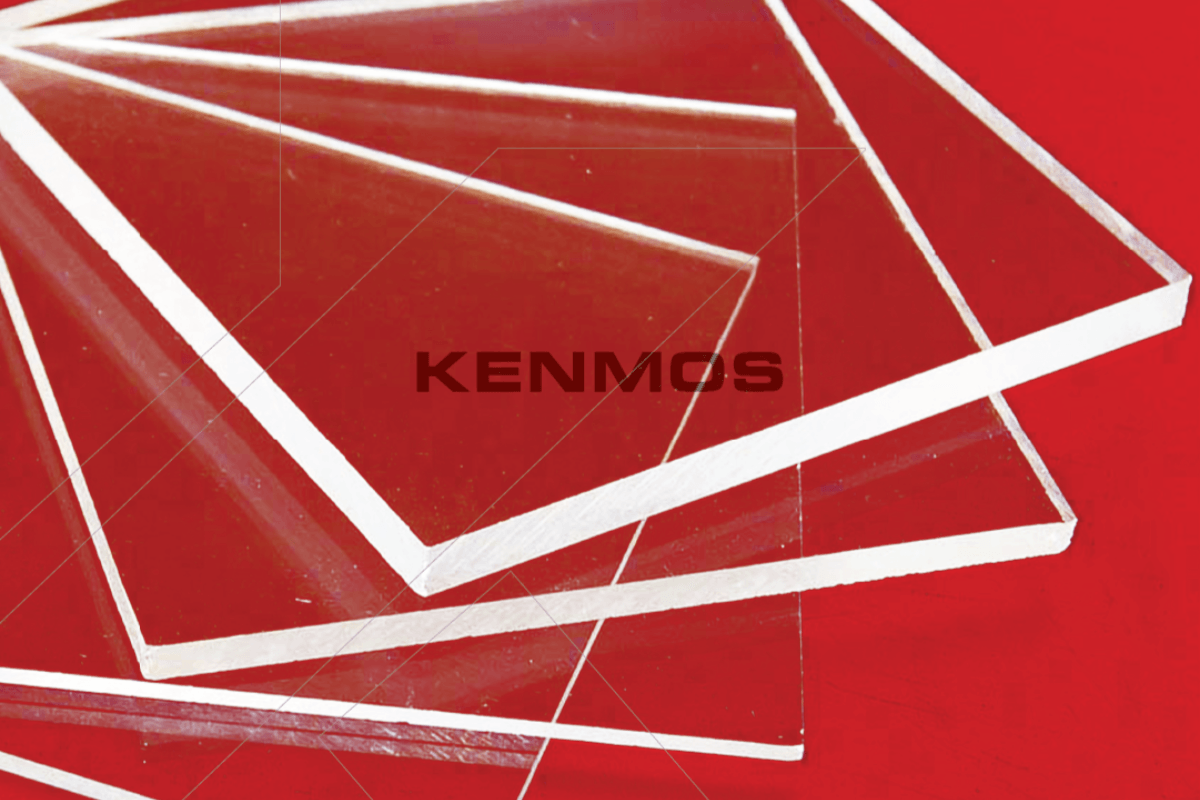
Understanding commonly specified materials helps professionals match performance characteristics with design intent. The following options illustrate how material selection varies depending on the project’s demands:
- Acrylic Sheets
- Aluminum Composite Panels
- Polycarbonate Sheets
- Natural or Reclaimed Wood
- Concrete/Masonry Materials
Where to Get High-Quality Design Materials
For high-performance acrylic sheets, KENMOS is the supplier you can trust. We provide sheets engineered for clarity and durability, each ensuring fabrication precision in every application.
Our technical team provides professional assistance to contractors and procurement officers who need to identify the correct specifications for each application. With KENMOS as your trusted partner, you gain not only product reliability but also the strategic guidance needed to ensure your project’s lasting success.
Key Takeaway
As this guide to procuring durable design materials suggests, informed procurement is the key to preserving structural integrity and aesthetic longevity. Every stage, from design intent to supplier verification, directly influences how well a project performs over time.
With high-grade acrylic sheets and expert guidance from KENMOS, professionals ensure quality in every build. Get a quote today to secure solutions that meet the highest construction expectations.