Creative Ways to Elevate Architectural Aesthetics
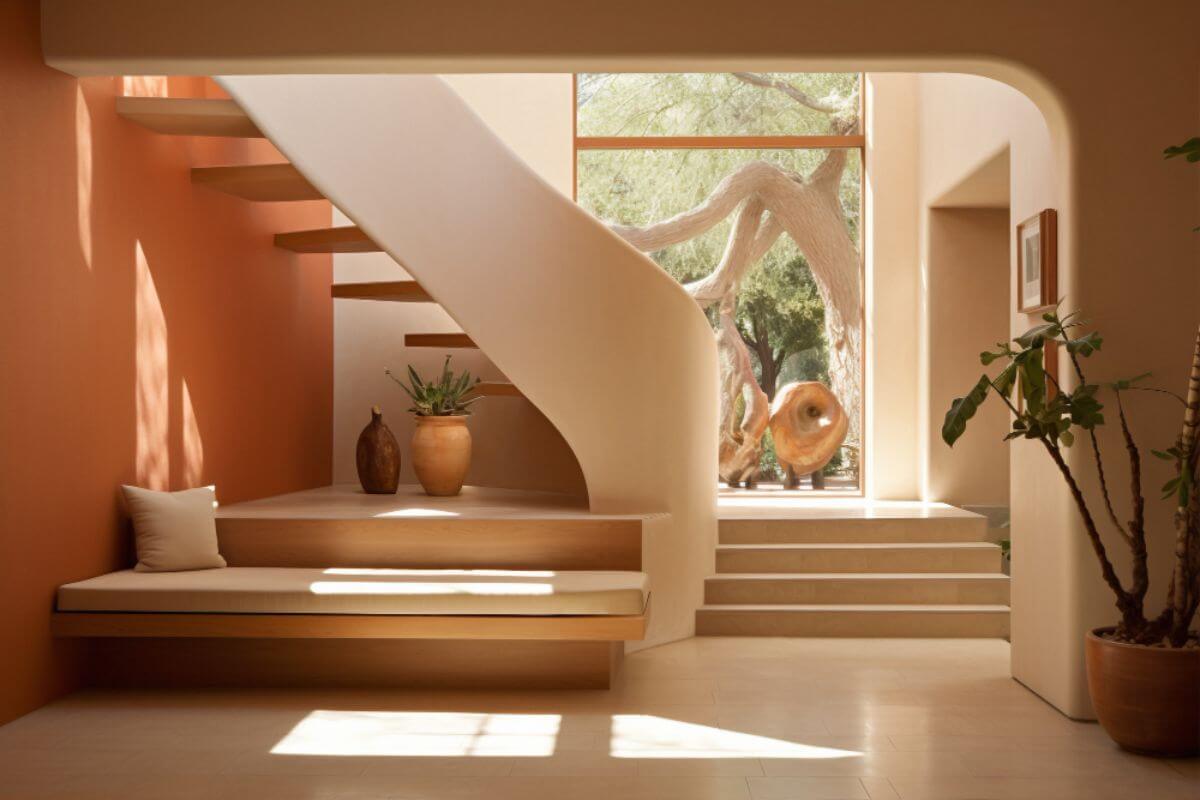
What are creative ways to elevate architectural aesthetics?
- Use innovative building materials
- Utilize contrast and forms
- Prioritize simplicity and clean lines
- Manipulate lighting effects
- Integrate biophilic designs
Overview
- Buildings stand out when visual appeal is supported by practical design choices. This article explains how following different design techniques can improve a structure’s appearance and functionality throughout everyday use.
- By combining form with function, designers can deliver structures that stay effective as needs change.
- Choosing the right materials plays a big role in this process. KENMOS is a trusted acrylic sheet supplier in the Philippines, offering dependable products that help designers turn functional ideas into long-lasting architectural results.
Materials play a defining role in architectural expression, shaping how spaces are seen, felt, and experienced. Texture, transparency, and finish can dramatically shift a design’s visual impact, opening up new ways to elevate architectural aesthetics through thoughtful material choices.
From layered surfaces to light-enhancing elements, innovative applications of materials like acrylic sheets allow for greater creative freedom and spatial depth. These subtle yet strategic design decisions enhance visual interest without overwhelming the overall structure. In many cases, aesthetic elevation begins by reimagining how familiar materials can be used in fresh, unexpected ways.
Use Innovative Building Materials
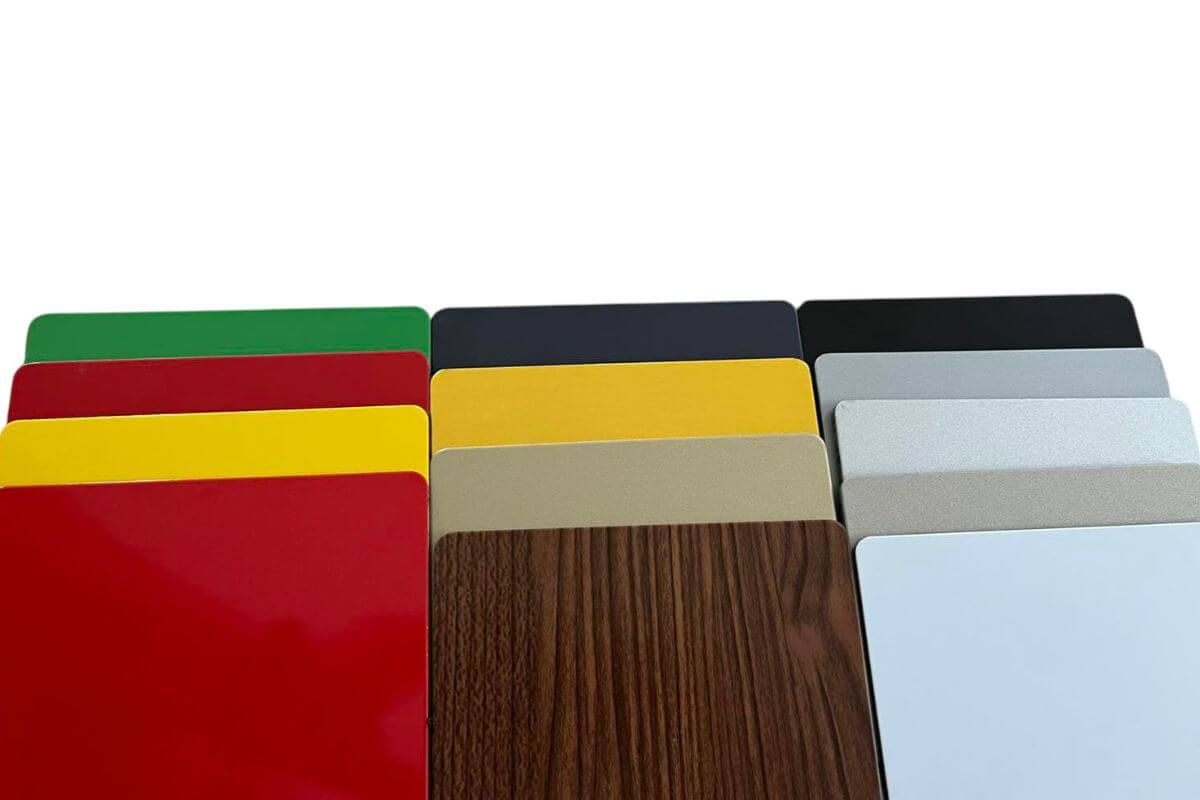
Modern architecture demands materials that combine form and function. Acrylic sheets, for instance, offer high strength, lightweight performance, and optical clarity. These properties allow designers to create curves, layered facades, and transparent elements that traditional rigid materials cannot achieve.
By reducing structural load without limiting geometry, innovative materials let architects execute bold designs confidently. This ensures that feature elements are visually striking while remaining safe, durable, and long-lasting. Using these materials strategically can also streamline installation and reduce overall construction costs.
Utilize Contrast and Forms
Contrasting materials create visual hierarchy and clarity. Pairing robust materials like steel with smooth, transparent surfaces such as acrylic or glass highlights texture and form, giving buildings a more dynamic presence.
This approach also guides spatial perception: heavier, opaque elements define structure, while lighter or transparent panels maintain continuity. The result is a cohesive design that balances visual interest with functional flow. Contrast can also be used to emphasize entry points, circulation paths, or key architectural features within a building.
Prioritize Simplicity and Clean Lines
Simple geometries and clean lines emphasize material quality and spatial logic. Minimalist designs reduce visual clutter, allowing materials to define the character of a space.
From a practical perspective, fewer joints and uninterrupted surfaces limit weak points and simplify construction. Clear lines also improve adaptability, making spaces easier to maintain and modify over time. This approach also allows natural light and visual sightlines to flow uninterrupted, enhancing spatial openness.
Manipulate Lighting Effects
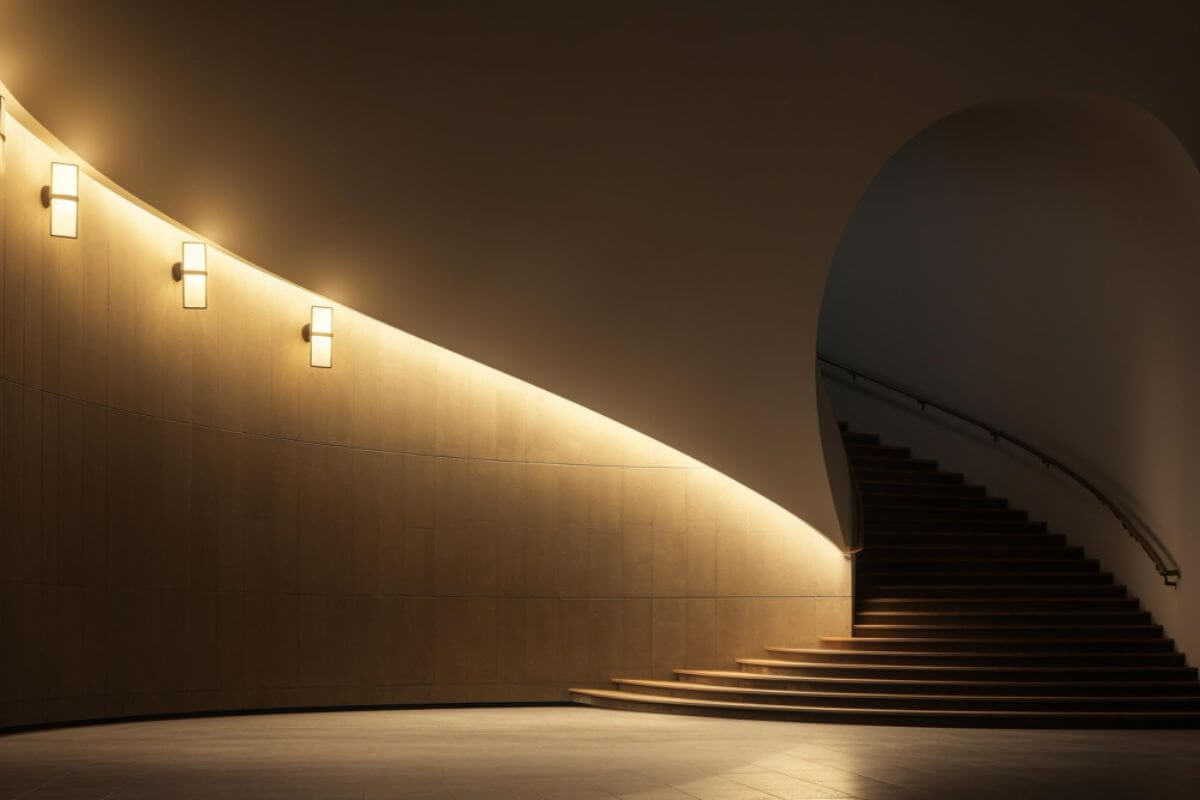
Lighting transforms how materials and spaces are perceived. Transparent or translucent panels, including acrylic sheets, allow daylight to penetrate deeper into interiors, enhancing natural illumination while maintaining safety.
Integrated artificial lighting, such as hidden LED strips along edges or recesses, can emphasize form and depth. Adjustable color temperature and intensity provide functional flexibility, supporting comfort, productivity, and visual impact simultaneously. Proper lighting integration can also highlight textures and finishes, making materials appear richer and more dynamic.
Integrate Biophilic Designs
Incorporating natural elements improves aesthetics and environmental comfort. Green walls, indoor gardens, and daylight-permitting enclosures connect occupants with nature while complementing modern forms.
Materials like acrylic and glass maintain visibility and light flow, preserving these natural connections. Beyond aesthetics, biophilic integration supports thermal comfort, reduces stress, and enhances the overall functionality of interior spaces. Thoughtful placement of these natural elements can create focal points and subtly guide movement through a space.
Get Quality Acrylic Sheets From KENMOS
For projects where structural reliability meets refined aesthetics, KENMOS delivers acrylic solutions trusted by professionals. As one of the top acrylic sheet suppliers in the Philippines, we provide materials engineered for strength, clarity, and adaptability—perfect for architectural and interior applications.
Our sheets come in a variety of finishes and dimensions, giving designers the flexibility to execute precise specifications without compromise. Each panel is crafted to meet strict quality standards, ensuring consistent performance, visual clarity, and long-term durability for both structural and decorative uses.
Key Takeaway
Elevating architectural aesthetics starts with smart material choices that reinforce both design intent and functionality. Understanding the ways to elevate architectural aesthetics ensures that spatial planning and high-performing materials work together, allowing projects to achieve lasting impact and efficiency.
KENMOS acrylic sheets support this approach by offering versatility, clarity, and reliability that align with professional standards. For architects, designers, and contractors, selecting the right material isn’t just about appearance—it’s about ensuring a project performs beautifully for years. Contact us today to explore solutions that bring both vision and durability to your next build.