What Are Safe Materials for Transparent Pools?
Overview
- This article outlines the top options professionals use in constructing modern pools, highlighting essential characteristics that make certain options more dependable than others.
- Transparent pool systems rely on materials that can withstand continuous pressure while preserving clarity. Though tempered and laminated glass are reliable options, acrylic still stands out as the highly recommended material for safe pool construction.
- For reliable, high-grade solutions, Kenmos provides professionally manufactured acrylic sheets for specialized architectural applications.
Introduction
Unlike conventional pool walls, transparent pool panels must withstand constant water pressure while maintaining long-term visual clarity. Material performance plays a critical role in ensuring structural stability under sustained load. Among the options available, acrylic sheets are often evaluated for their strength, optical clarity, and durability in water-retaining applications.
Choosing safe materials for transparent pools means understanding how materials like acrylic sheets respond to pressure, movement, and prolonged exposure over time. This performance-focused approach supports safer design decisions and more reliable outcomes.
Acrylic Sheets
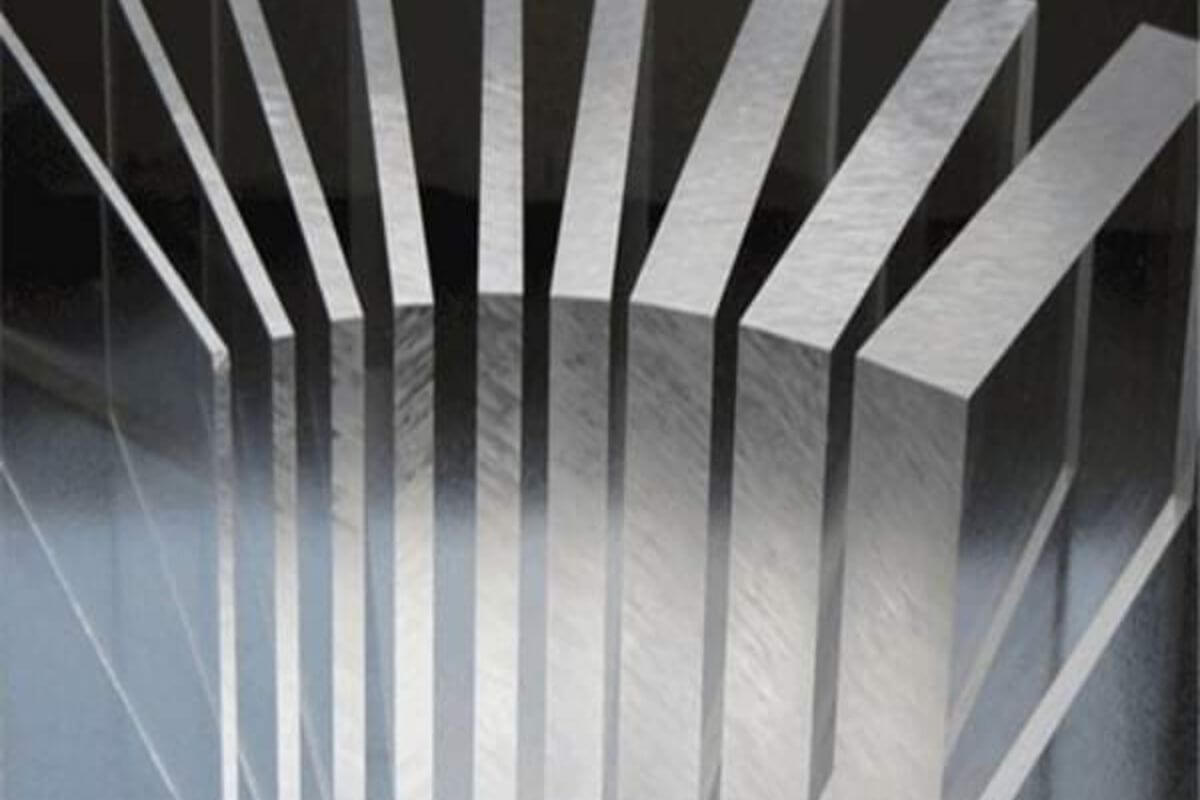
Acrylic sheets are the most widely recommended material for pool construction due to their high load-bearing capacity and optical consistency. Unlike brittle glass materials, it manages pressure through controlled flexibility and even stress distribution. This makes it suitable for critical pool elements that require lasting stability.
These performance demands show why material sourcing is as important as design intent. That’s where KENMOS comes in. As a trusted supplier of acrylic sheets in the Philippines, we offer solutions produced through sustainable, precision-controlled manufacturing to support complex pool forms and ensure long-term reliability.
Strong Impact Resistance
Acrylic resists impact by distributing force evenly under sudden stress. It bends instead of fracturing, allowing pressure to spread out across a broader surface rather than concentrating in a single area. This prevents stress points from forming, making it a highly reliable choice for pools that experience constant and varying loads.
Water in swimming areas exerts significant outward pressure, which increases with depth and movement. Sudden shifts (such as waves, jumps, or external vibration) add extra impact that the materials must handle. Acrylic’s ability to spread and release this force helps the structure remain stable and free from visual deformities over time.
High Light Transmittance
Clear, bright visibility is one of the biggest advantages of choosing acrylic materials for transparent pools. With up to 92% light transmittance, they deliver exceptional clarity without the green tint or distortion that thick glass panels often develop. This consistency helps maintain uninterrupted sightlines, whether the sheet is installed vertically or horizontally.
Consistent transparency also enhances depth perception and overall water readability in exposed designs. In cantilevered pools, for example, views remain clean across different angles. This allows the structure to appear lighter and more open while still meeting the strength requirements needed for pressure control.
Lightweight
Choosing a lighter structural material makes pool construction far more efficient, and this is where acrylic truly excels. Its significantly lower weight reduces stress placed on frames, anchors, and surrounding architectural elements that might otherwise exhibit visual or structural fatigue.
Heavier alternatives often require reinforced support systems, which increase the risk of misalignments during installation. Acrylic’s manageable weight minimizes this risk by allowing cleaner placements and faster on-site adjustments. Even with its reduced mass, it maintains the durability required to support continuous load. It gives professionals flexibility without adding unnecessary structural complexity.
Flexible Design Possibilities
Acrylic has high thermoformability that allows it to be shaped into different forms without losing structural integrity. This enables curved panels and smooth transitions without relying on segmented joints.
Since the material bends cleanly and maintains optical clarity throughout the forming process, stable, complex geometries can easily be achieved. This allows ambitious designs like rounded corners or extended viewing panels to function as both a structural component and a decorative element.
Alternative Material: Tempered and Laminated Glass
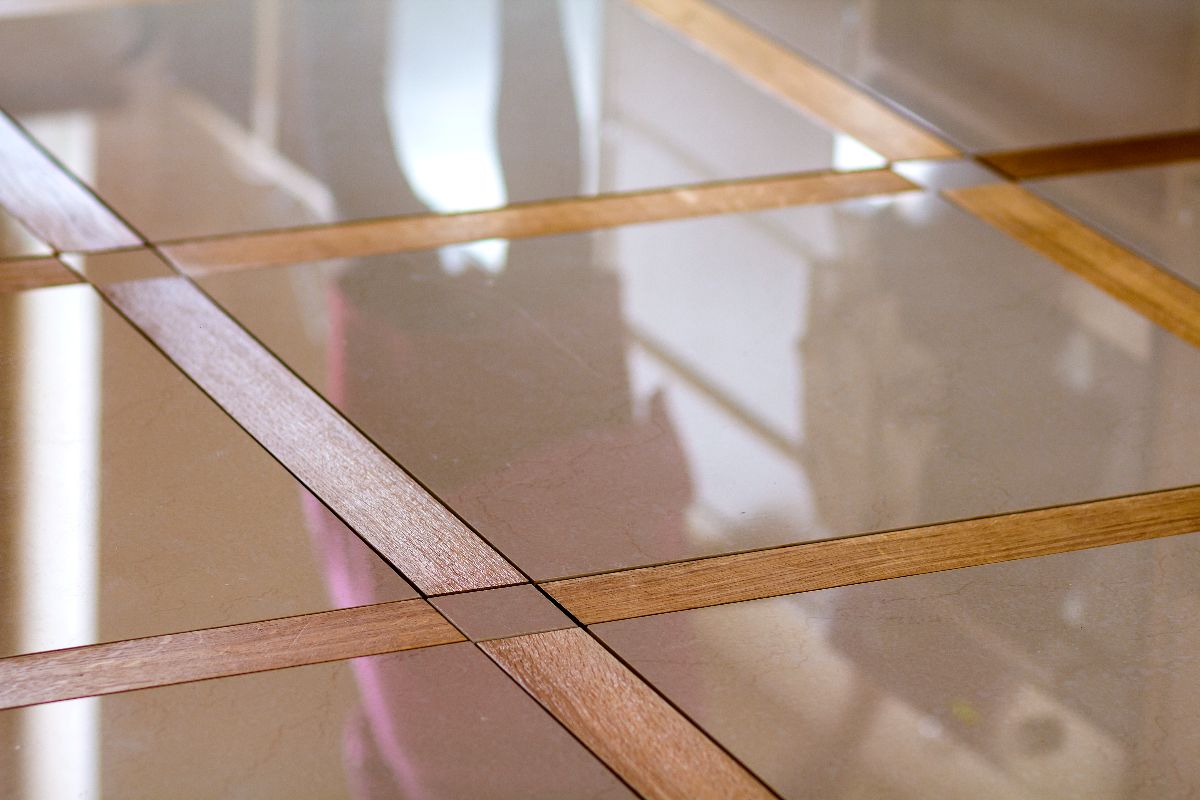
When project conditions favor rigid transparency, tempered or laminated glass may be considered for select pool applications. However, compared to acrylic, glass materials have a lower tolerance for flex under sustained pressure. This can limit their performance in large spans or high-pressure transparent fixtures.
Stronger Than Standard Glass
These glass options provide higher strength than conventional float glass, allowing them to handle controlled pressure conditions more safely. Their rigidity is suitable for smaller viewing sections where limited flexibility is acceptable.
While reliable, they’re still prone to failure under high pressure. Designers must account for their low deflection tolerance when specifying larger spans or deeper installations.
More Scratch-Resistant Than Traditional Options
Tempered and laminated glass offer improved surface hardness compared to standard glass. This makes them less prone to fine surface abrasions, which are often caused by impact or stress exposure.
Even so, their surface durability does not compensate for the additional reinforcements required in high-pressure pool applications. They’re often better suited for smaller viewing panels or low-stress design zones.
Key Considerations for Design Professionals
Clear pools come with specific structural and material demands that differ from standard pool designs. Load performance, material quality, and installation precision all play a direct role in their lasting appeal and long-term safety.
Below are several factors to consider before committing to a material:
Quality Control – Panel thickness and specifications must be precisely engineered to match water depth, span, and load conditions, and ensure consistent performance. Structural Integrity – Only certified, high-purity materials should be used to maintain strength and visual clarity in aquatic environments. Aesthetics – Material clarity and formability directly shape the pool’s visual outcome. Specialized Installation – Transparent pool systems require experienced handling and controlled installation to achieve structural stability and clean visual transitions.
Key Takeaway
Choosing safe materials for transparent pools is essential to achieving designs that perform as impressively as they look. Materials that balance long-term durability and visual appeal allow these leisure features to remain reliable architectural features for years to come.
As a top acrylic sheet supplier, KENMOS delivers premium solutions at accessible price points. We use sustainable, high-precision engineering methods to craft reliable pool components. Contact us today to discuss how our offerings can support your next project.